Hey there! If you’re running a packaging plant, printing shop, or even a small business that relies on cardboard laminating machines to stick those paperboards together, you know how much a sudden hiccup can throw your whole day off. I’ve been selling, troubleshooting, and tweaking these machines for over a decade now—so when I say I’ve seen every common failure, I’m not just talking out of my ass. These issues don’t pop up out of nowhere most of the time; they’re usually easy to fix if you know what to look for, and I’m gonna break down the most frequent ones, no fancy jargon, no boring manuals, just real-world solutions I’ve tested with clients. Cardboard Laminating Machine
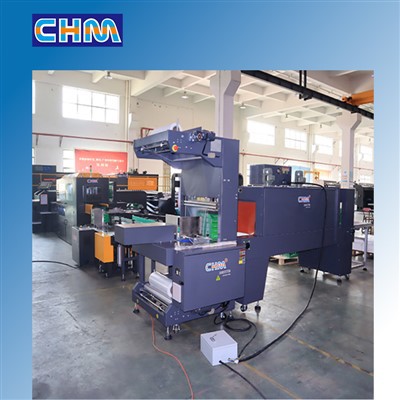
First up: the most annoying one that stops production cold—your laminant isn’t sticking. Like, you run the board through, and when it comes out, you can peel the top paper right off the cardboard, no problem. I can’t tell you how many small operators I’ve dealt with panic because they think they wasted $50 worth of laminate and a whole stack of boards. 9 times out of 10, this isn’t a broken machine—it’s a setup thing. Most of the time, it’s either the glue or the roller pressure. Wait, not just pressure—uneven pressure. If one side of the rubber pressure roller is worn down more than the other, or the gap between the laminant roll and the hot roller is off, the glue doesn’t get evenly pressed. I’ve had clients tighten the gap all the way thinking that’d help, but no—measure the gap with a feeler gauge (yeah, it’s a cheap tool, $10 on Amazon) to make sure it’s consistent across the whole roller. For the glue, a lot of guys just grab whatever generic adhesive is on sale, but cardboard laminating glue needs to be matched to your board type. If you’re using recycled cardboard, which has a lot of dust and fiber residue, you need a glue with a higher initial tack. Also, don’t forget to check the glue pump and lines—if they’re clogged with old dried glue, the applicator roller isn’t coating evenly, so some spots have too much glue and some have none. Quick fix here: turn the machine on, run a scrap board through, and if you see streaks of glue, that’s your sign to flush the glue system with warm water (no hot water, that’ll cook the glue and make it worse) every 8 hours if you run the machine nonstop.
Next big one: misaligned laminant. You run your board in, and the top paper is shifted an inch to the left or right by the time it exits the machine. This is super common, especially with thin corrugated boards that are prone to warping, or if you’re switching between board sizes throughout the day. The culprit here is usually the feed guides. The little plastic or metal guides that hold the board and laminant in place as they feed—if they’re loose, or you don’t adjust them exactly to the board’s width, things shift. I had a client last month who was switching from 12-inch to 18-inch boards every hour and forgot to re-tighten the guides after the first switch, so half his rolls were wasted. Another thing to check is the unwind stand for the laminant roll. If the roll isn’t sitting straight, or the brake on the unwind is too tight or loose, the laminant can get pulled unevenly, making it shift. My tip here: mark the center of your board and the center of your laminant roll before you start a run. Adjust the feed guides so they’re just barely touching the edges of the board (not squeezing it—too tight and you’ll bend the board), and make sure the unwind roll is centered, then lock it in place. Do this every time you change board size or switch out a laminant roll, and you’ll cut misalignment waste by at least 70%. Oh, and one more quick hack—if you’re using perforated laminant rolls, make sure the perforations line up with the edges of your board, otherwise you’ll get tiny shifts every time the roll feeds a new section.
Third failure that’ll make you pull your hair out: bubbly laminate. Small air bubbles under the top paper that pop up as the board cools, or even days later when it’s stacked. These are terrible because they make your finished product look cheap, and if it’s a box, it’ll bulge when you put stuff in. Most people think this is from too much air, but again, it’s usually a small setup mistake. First, check the temperature of the hot roller. If it’s too low, the glue doesn’t activate properly, so air gets trapped between the layers. If it’s too high, the glue dries too fast before the air can escape. I tell all my clients to test the temperature with an infrared thermometer (another $20 tool, worth every penny) right before running a big order. For standard cardboard, 120-140°F is sweet spot—corrugated might need a little higher, like 150°F, since it’s thicker. Another cause: moisture in the cardboard. If your board is too damp, when it hits the hot roller, it releases steam that gets trapped as bubbles. I’ve had a few clients store cardboard in a damp warehouse, and that’s a nightmare. Solution: if you’re working with stored boards, let them acclimate to your shop’s temp and humidity (around 40-50% humidity is ideal) for 24 hours before running them. Also, make sure the dryer section of your machine (if you have one) is working—if the fans are broken or the heat is off, the boards won’t dry properly, leading to bubbles.
Fourth one: roller marks on the finished laminate. Those little indentations or lines that run the length of the board, usually from the rubber pressure roller. This is super common, and a lot of guys think they need to replace the whole roller, but that’s not always the case. First, check if the roller is dirty. Old glue, paper dust, or even tiny pieces of cardboard stuck in the roller’s texture will leave marks. The fix here is simple: shut down the machine, let the roller cool completely (if you do this when it’s hot, you’ll damage the rubber), then scrub it with a soft brush and warm soapy water. Don’t use harsh chemicals like bleach or acetone—they eat away at the rubber. If cleaning doesn’t work, check the roller for wear. If it’s got flat spots or grooves from years of use, you can either resurface it (most machine shops do this for half the cost of a new roller) or replace it if it’s really damaged. Also, sometimes the pressure from the roller is too high, so the rubber is squished into the tiny imperfections on the roller itself, leaving marks. Adjust the pressure gradually—start with a light setting, run a test board, and only add more pressure if the glue isn’t sticking. Over-pressuring is the #1 cause of roller marks I see, especially with thin paper laminant that doesn’t have much give.
Last common failure: inconsistent speed. The machine speeds up or slows down randomly mid-run, which throws off glue application, alignment, and drying. This is usually an electrical or motor issue, but not always the expensive kind. First, check the machine’s drive belt. If it’s loose, worn, or has oil on it, it’ll slip and cause speed fluctuations. Pop the side panel off (unplug the machine first, safety first!) and look at the belt. If it’s shiny or has cracks, replace it—it’s a $20 part, way cheaper than a new motor. If it’s just loose, adjust the tensioner bolt until the belt has about half an inch of give when you press it. Another thing: the speed control knob or panel. Sometimes dust and paper get into the control circuitry, making it glitch. Unplug the machine, take the control panel off, and gently blow out the dust with compressed air (hold the can upright so you don’t spray liquid) or wipe it with a dry cloth. I’ve fixed so many speed issues just by cleaning the control panel—no part replacement needed. If it’s still acting up, it might be the motor, but that’s less common, and most of the time it’s a simple belt or control fix.
Wait, let’s talk about preventive maintenance too—because half these failures can be avoided if you do regular small checks, not just wait for something to break. Every morning, before you start a run, do a 10-minute check: wipe down the rollers, check the glue lines for clogs, adjust the feed guides, test the temperature, and tighten the drive belt if it’s loose. I tell all my regular clients that this 10 minutes saves them hours of downtime and hundreds in wasted material every week. I see new operators skipping this step, and then they’re calling me at 8 PM on a Friday, panicking because their machine broke right before a big order. Don’t be that guy.
Look, I’m not here to sell you a new machine every time something goes wrong. I’ve been in this game long enough to know that most cardboard laminating machine issues are tiny, fixable with basic tools and a little know-how. Whether you’re running a tiny 24-inch machine for local print jobs or a big industrial unit for corrugated boxes, the same rules apply: check pressure, check alignment, keep glue and rollers clean, do your daily checks. If you’ve tried all these fixes and you’re still having issues, that’s when you reach out to a pro. But even then, don’t waste money on unnecessary part replacements—most techs will run through these basics first, same as I do.

If you’re in the market for a new machine or need help with a current one, I’m here to help. I’ve worked with dozens of clients to adjust their setups, fix recurring issues, and even upgrade old machines to cut down on downtime and waste. No sales pitch, no hidden fees, just real advice from someone who’s fixed way more cardboard laminating machines than I can count. Reach out when you’re ready to chat about your specific needs, whether it’s troubleshooting a current problem or looking for a machine that fits your production volume.
Blanking Machine References:
- Corrugated Packaging Association. (2022). Common Laminating Process Failures and Mitigation Strategies.
- Industrial Machinery Maintenance Magazine. (2023). Preventive Care for Laminating Equipment to Reduce Downtime.
- Packaging Digest. (2021). Troubleshooting Adhesion Issues in Paper-Cardboard Lamination.
Sheng Ding Group Limited
We’re well-known as one of the leading cardboard laminating machine manufacturers and suppliers in China. With abundant experience, we warmly welcome you to buy advanced cardboard laminating machine for sale here from our factory. For quotation, contact us now.
Address: FLAT E 16/F SUPERLUCK IND CTR 57 SHA TSUI RD PHASE 2 TSUEN WAN NT
E-mail: chm007@szchm.com
WebSite: https://www.packagmachine.com/
