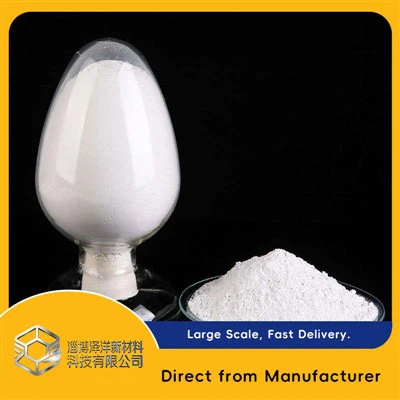
Hydrated alumina, also known as aluminum hydroxide, is a versatile compound with numerous applications across various industries. As a leading supplier of hydrated alumina, I have witnessed firsthand its growing importance in the casting industry. In this blog post, I will explore the diverse applications of hydrated alumina in the casting process, highlighting its benefits and contributions to the quality and efficiency of cast products. Hydrated Alumina
Refractory Materials
One of the primary applications of hydrated alumina in the casting industry is in the production of refractory materials. Refractories are materials that can withstand high temperatures without deforming or melting, making them essential for lining furnaces, ladles, tundishes, and other equipment used in metal casting. Hydrated alumina is a key raw material in the manufacturing of refractory bricks, castables, and mortars due to its high thermal stability, low thermal conductivity, and excellent resistance to chemical attack.
When hydrated alumina is heated, it undergoes a series of chemical reactions that result in the formation of alumina (Al₂O₃), which is a highly refractory material. The conversion of hydrated alumina to alumina is accompanied by a significant increase in volume, which helps to improve the density and strength of the refractory product. Additionally, the presence of hydrated alumina in refractory materials can enhance their resistance to thermal shock, reducing the risk of cracking and spalling during rapid heating and cooling cycles.
Foundry Sands
Hydrated alumina is also used as an additive in foundry sands to improve their properties and performance. Foundry sands are used to create molds and cores for metal casting, and their quality and characteristics can have a significant impact on the final quality of the cast product. By adding hydrated alumina to foundry sands, foundries can enhance their refractoriness, permeability, and collapsibility, resulting in better casting surface finish and dimensional accuracy.
The high refractoriness of hydrated alumina allows foundry sands to withstand the high temperatures generated during the casting process without melting or deforming. This helps to prevent defects such as metal penetration, veining, and scabbing, which can occur when the sand is unable to withstand the heat of the molten metal. Additionally, the presence of hydrated alumina in foundry sands can improve their permeability, allowing gases to escape from the mold during the casting process and reducing the risk of porosity and other casting defects.
Investment Casting
Investment casting, also known as lost-wax casting, is a precision casting process that is used to produce complex and high-quality metal parts. In investment casting, a wax pattern is first created and then coated with a ceramic shell made of refractory materials. The wax is then melted and removed, leaving behind a cavity in the ceramic shell that is filled with molten metal. Hydrated alumina is commonly used in the investment casting process as a binder and filler in the ceramic shell.
As a binder, hydrated alumina helps to hold the ceramic particles together, providing strength and stability to the ceramic shell. It also helps to improve the adhesion of the ceramic shell to the wax pattern, ensuring that the shell remains intact during the casting process. As a filler, hydrated alumina can improve the density and refractoriness of the ceramic shell, reducing the risk of cracking and distortion during the heating and cooling cycles.
Ceramic Coating
Hydrated alumina is also used in the production of ceramic coatings for casting molds and cores. Ceramic coatings are applied to the surface of molds and cores to improve their release properties, reduce friction, and protect them from the corrosive effects of molten metal. Hydrated alumina is a popular choice for ceramic coatings due to its high hardness, wear resistance, and chemical stability.
When used in ceramic coatings, hydrated alumina can form a hard and smooth surface that reduces friction between the mold or core and the molten metal. This helps to improve the flow of the molten metal and reduce the risk of defects such as cold shuts and misruns. Additionally, the chemical stability of hydrated alumina makes it resistant to the corrosive effects of molten metal, protecting the mold or core from damage and extending its service life.
Benefits of Using Hydrated Alumina in the Casting Industry
The use of hydrated alumina in the casting industry offers several benefits, including:
- Improved product quality: Hydrated alumina can help to improve the surface finish, dimensional accuracy, and mechanical properties of cast products, reducing the risk of defects and improving their overall quality.
- Enhanced productivity: By improving the refractoriness, permeability, and other properties of casting materials, hydrated alumina can help to increase the efficiency of the casting process, reducing production time and costs.
- Increased durability: The high thermal stability and chemical resistance of hydrated alumina make it an ideal material for use in high-temperature and corrosive environments, increasing the durability and service life of casting equipment and molds.
- Environmental friendliness: Hydrated alumina is a naturally occurring mineral that is non-toxic and environmentally friendly, making it a sustainable choice for the casting industry.
Conclusion
In conclusion, hydrated alumina is a valuable and versatile material that plays a crucial role in the casting industry. Its unique properties and characteristics make it ideal for use in a wide range of applications, including refractory materials, foundry sands, investment casting, and ceramic coatings. By using hydrated alumina in the casting process, foundries can improve the quality and efficiency of their operations, reduce production costs, and enhance the durability of their products.
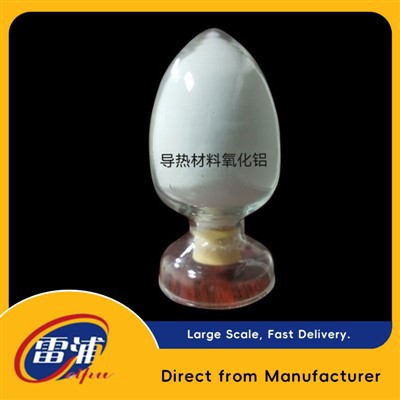
Calcined Alumina As a supplier of high-quality hydrated alumina, I am committed to providing our customers with the best products and services. If you are interested in learning more about the applications of hydrated alumina in the casting industry or would like to discuss your specific requirements, please do not hesitate to contact me. I look forward to working with you to meet your needs and help you achieve your goals.
References
- "Refractory Materials: Properties, Processing, and Applications" by P. V. M. Rao
- "Foundry Technology: Principles and Practice" by R. H. Perry and D. W. Green
- "Investment Casting: A Practical Guide" by P. R. Beeley
- "Ceramic Coatings: Properties, Processing, and Applications" by D. R. Clarke and B. N. Cox
Shandong Leipu New Material Technology Co., Ltd.
With abundant experience, we are one of the most professional hydrated alumina manufacturers and suppliers in China. Please feel free to buy high quality hydrated alumina for sale here and get quotation from our factory. For price consultation, contact us.
Address: Advanced Ceramic Industry Innovation Park, No. 125, Liuquan Road, High-tech Zone, Zibo City, Shandong Province
E-mail: 2330389088@qq.com
WebSite: https://www.sdleipu.com/
