Hey there! I’m a supplier of PVC Automatic Mixing Systems, and today I wanna chat about a super common question: Can a PVC Automatic Mixing System handle different types of PVC resins? Well, let’s dive right in and find out. PVC Automatic Mixing System
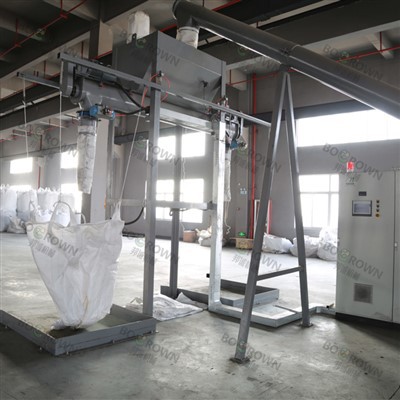
First off, we gotta understand what PVC resins are. PVC, or polyvinyl chloride, is one of the most widely used plastics in the world. There are different types of PVC resins out there, mainly divided into suspension PVC and emulsion PVC. Suspension PVC is the most common type, which is made by the suspension polymerization process. It’s used in a wide range of applications like pipes, profiles, and cables. Emulsion PVC, on the other hand, is produced by the emulsion polymerization process and is often used in applications such as artificial leather, floor coverings, and coatings.
So, can our PVC Automatic Mixing System handle these different types? The short answer is yes! But let me explain how.
One of the key features of our mixing system is its flexibility in terms of temperature control. Different PVC resins have different melting points and processing requirements. Suspension PVC usually has a relatively higher melting point compared to emulsion PVC. Our system allows you to precisely adjust the temperature during the mixing process. This way, whether you’re dealing with high – melting – point suspension PVC or the lower – melting – point emulsion PVC, you can set the right temperature to ensure proper melting and uniform mixing.
Another important aspect is the agitation mechanism. Our PVC Automatic Mixing System is equipped with a powerful and adjustable agitation system. Suspension PVC particles are usually larger and more rigid, while emulsion PVC particles are smaller and more delicate. The adjustable agitation speed in our system enables you to handle these differences. For suspension PVC, a higher agitation speed might be required to break up any agglomerates and ensure thorough mixing. For emulsion PVC, a lower and more gentle agitation speed can prevent over – shearing and maintain the stability of the resin.
The mixing ratio is also a crucial factor when dealing with different PVC resins. Different applications may require different blends of PVC resins with additives such as plasticizers, stabilizers, and fillers. Our system comes with an accurate dosing system. This allows you to precisely control the amount of each component, whether you’re using a single type of PVC resin or a combination of different ones. You can easily adjust the mixing ratio according to the specific requirements of your production, ensuring that the final mixture has the desired properties.
Let’s talk about some real – world examples. A customer of ours who manufactures PVC pipes mainly uses suspension PVC. They were initially worried about the system’s compatibility with the specific grade of suspension PVC they were using. But after installing our PVC Automatic Mixing System, they found that the system could handle the resin with ease. The pipes produced had consistent quality, with uniform wall thickness and excellent mechanical properties.
Another customer in the artificial leather industry uses emulsion PVC. They needed a mixing system that could handle the delicate nature of the emulsion PVC and ensure a smooth and uniform mixture for their production process. Our system met their needs perfectly. The adjustable agitation and temperature control allowed them to achieve the right consistency for their artificial leather products, resulting in high – quality output.
However, it’s not all smooth sailing all the time. When switching between different types of PVC resins, there are a few things to keep in mind. First, you need to clean the mixing chamber thoroughly to avoid cross – contamination. Different PVC resins may have different chemical compositions, and any residue from the previous batch can affect the quality of the new mixture. Our system is designed with easy – to – clean features, making this process relatively quick and hassle – free.
Secondly, you may need to make some minor adjustments to the mixing parameters when changing resins. This might include adjusting the temperature, agitation speed, and dosing ratio. But don’t worry, our technical support team is always on hand to guide you through these changes and ensure a seamless transition.
In conclusion, our PVC Automatic Mixing System is more than capable of handling different types of PVC resins. Its flexible temperature control, adjustable agitation mechanism, and accurate dosing system make it suitable for a wide range of PVC resin applications. Whether you’re in the pipe – making industry, artificial leather production, or any other PVC – based manufacturing sector, our system can provide you with the reliable and efficient mixing solution you need.
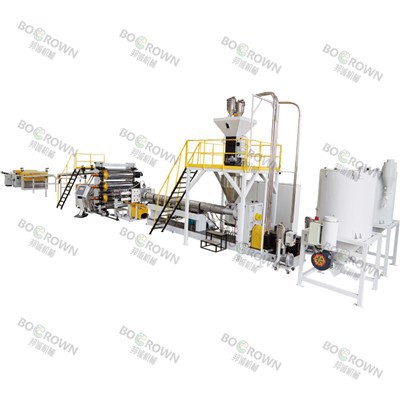
If you’re in the market for a PVC Automatic Mixing System and want to learn more about how it can handle your specific PVC resin types, don’t hesitate to reach out. We’re here to answer all your questions and help you make the right decision for your business. Let’s start a conversation and see how our system can take your PVC production to the next level.
PVC Automatic Mixing System References
- "Handbook of PVC Formulating" by Edward J. Wickson
- "Polyvinyl Chloride (PVC) Technology" by W. V. Titow
ZJG BC Machinery Co., Ltd.
As one of the most professional pvc automatic mixing system manufacturers and suppliers in China, we’re featured by quality products and good price. Please rest assured to buy cost-efficient pvc automatic mixing system for sale here from our factory. Contact us for custom service and OEM service.
Address: No.8 Lexi Road, Leyu Town, Zhangjiagang City
E-mail: sales@bcextruder.com
WebSite: https://www.bcextruder.com/
