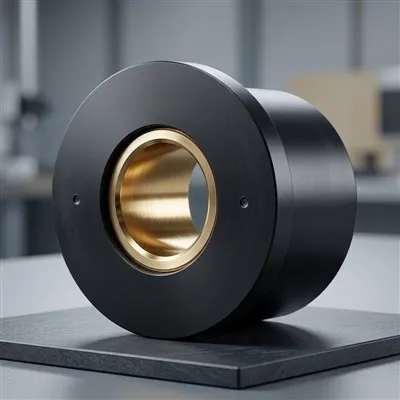
As a supplier of rubber – metal composite valve cores, ensuring that our products meet food – grade standards is not only a regulatory requirement but also a commitment to the health and safety of end – users. In this blog post, I’ll share how we ensure our rubber – metal composite valve cores reach the high bar of food – grade standards. Rubber-metal Composite Valve Core
Understanding Food – Grade Standards
Before diving into the manufacturing process, it is crucial to understand what food – grade standards entail. Different countries and regions have their own specific regulations. For example, in the United States, the Food and Drug Administration (FDA) sets strict guidelines on materials that come into contact with food. These regulations cover aspects such as chemical composition, migration limits of substances from the material to the food, and overall safety of the product. In the European Union, the European Food Safety Authority (EFSA) and relevant directives like Regulation (EC) No 1935/2004 govern the use of food – contact materials.
Material Selection
The first step in ensuring food – grade compliance is the careful selection of materials. For the rubber part of our composite valve cores, we choose high – quality, food – grade rubber compounds. These rubbers are specifically formulated to be inert and non – reactive when in contact with food. They are free from harmful substances such as heavy metals (like lead, mercury, and cadmium), phthalates, and certain types of plasticizers that could potentially leach into the food.
We source our rubber from well – established suppliers who have a proven track record in providing materials that meet international food – grade standards. These suppliers conduct rigorous quality control tests on their raw materials, including chemical analysis and biological assays, to ensure they are safe for food contact.
For the metal component of the valve core, we typically use stainless steel grades that are known for their corrosion resistance and food – grade compatibility. Stainless steel grade 304 and 316 are commonly used in the food industry because they do not react with food substances and are less likely to release harmful ions. We also ensure that the metal surface is properly finished to prevent the accumulation of food particles and bacteria.
Manufacturing Process
Once the materials are selected, the manufacturing process must be carefully controlled to maintain food – grade compliance. Our manufacturing facilities are designed to meet strict hygiene standards. The production areas are regularly cleaned and sanitized to prevent contamination from dust, dirt, and microorganisms.
During the molding process of the rubber part, we use clean and dedicated molds. These molds are made from materials that do not contaminate the rubber, and they are regularly inspected and maintained to ensure a smooth and defect – free surface on the valve core. The curing process for the rubber is also precisely controlled to ensure that it reaches the desired physical and chemical properties without the formation of any harmful by – products.
When it comes to assembling the rubber and metal components, we do it in a controlled environment. Workers are trained in proper hygiene practices, including wearing clean uniforms, gloves, and hairnets. This helps prevent any human – related contamination during the assembly process.
Quality Control and Testing
Quality control is an integral part of ensuring food – grade compliance. We have a comprehensive quality control system in place that starts from the incoming raw materials and continues throughout the manufacturing process and final product inspection.
For incoming materials, we conduct receiving inspections. Samples of the rubber and metal materials are taken and sent to an independent laboratory for testing. These tests include chemical composition analysis, migration testing, and microbiological testing. Only when the materials pass all these tests are they allowed to enter the production process.
During the manufacturing process, in – process inspections are carried out at regular intervals. This includes checking the dimensions of the valve cores, the quality of the rubber – metal bond, and the overall appearance of the product. Any defective products are immediately removed from the production line.
Once the valve cores are fully manufactured, they undergo a final inspection. This inspection includes a repeat of some of the key tests, such as migration testing. Migration testing is crucial as it measures the amount of substances that can potentially migrate from the valve core into the food. The results of these tests must be within the limits set by the relevant food – grade standards.
Traceability and Documentation
Traceability is an important aspect of ensuring food – grade compliance. We maintain detailed records of all the raw materials used in the production of our valve cores, including the supplier information, batch numbers, and test results. This allows us to track the origin of the materials and ensure that they meet the required standards.
In addition to traceability, we also provide comprehensive documentation to our customers. This includes certificates of compliance that state that our valve cores meet the relevant food – grade standards. These certificates are issued based on the test results from independent laboratories, which adds an extra layer of credibility.
Continuous Improvement
The field of food – grade standards is constantly evolving, and we are committed to continuous improvement. We stay updated with the latest regulatory changes and scientific research in the field of food – contact materials. This allows us to adapt our manufacturing processes and material selection as needed to ensure that our valve cores always meet the highest standards.
We also encourage feedback from our customers. If there are any concerns or suggestions regarding the food – grade compliance of our valve cores, we take them seriously and use this feedback to improve our products and processes.
Conclusion
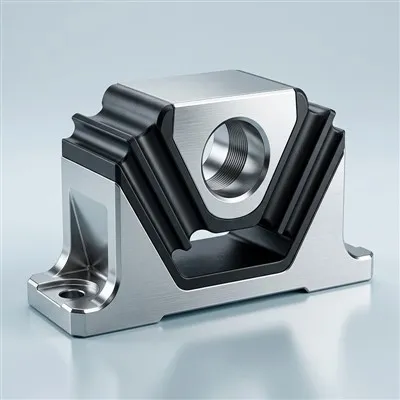
Ensuring that our rubber – metal composite valve cores meet food – grade standards is a multi – faceted process that involves careful material selection, controlled manufacturing, rigorous quality control, and a commitment to continuous improvement. As a supplier, we understand the importance of providing safe and reliable products to our customers in the food industry.
Valve Core If you are in the market for high – quality, food – grade rubber – metal composite valve cores, we would love to have a conversation with you. Our team of experts can provide more detailed information about our products, manufacturing processes, and compliance with food – grade standards. We are ready to work with you to meet your specific requirements and ensure the success of your projects. Reach out to us to start a procurement discussion.
References
- Food and Drug Administration (FDA), "Regulations for Food – Contact Substances".
- European Food Safety Authority (EFSA), "Guidelines on Food – Contact Materials".
- International Organization for Standardization (ISO) standards related to food – contact materials.
Tianjin TGE BIAM Graphene Technology Co., Ltd.
Tianjin TGE BIAM Graphene Technology Co., Ltd. is one of the most professional rubber-metal composite valve core manufacturers and suppliers in China, also supports customized service. Please feel free to buy bulk advanced rubber-metal composite valve core in stock here from our factory. For quotation, contact us now.
Address: No. 24 Sanjing Road, Dongli Development Zone, Tianjin City, China.
E-mail: sales@tge-tj.com
WebSite: https://www.tge-valve.com/
