As a supplier of Screened Flexible Cables, I understand the critical importance of ensuring these cables are waterproof. Waterproofing not only extends the lifespan of the cables but also enhances their performance in various environments. In this blog, I’ll share some effective methods and considerations on how to make Screened Flexible Cables waterproof. Screened Flexible Cable

Understanding the Need for Waterproofing
Screened Flexible Cables are widely used in a variety of applications, from industrial settings to outdoor installations. In these environments, they are often exposed to moisture, rain, or even submersion in water. Water can cause significant damage to the cables, such as corrosion of the conductors, short – circuits, and degradation of the insulation. This can lead to system failures, safety hazards, and costly repairs. Therefore, waterproofing is essential to protect the integrity and functionality of the cables.
Materials and Design for Waterproofing
Outer Jacket
The outer jacket of the Screened Flexible Cable is the first line of defense against water. It should be made of a material that is resistant to water penetration. Commonly used materials include PVC (Polyvinyl Chloride) and TPE (Thermoplastic Elastomer). PVC is a popular choice due to its good water resistance, durability, and relatively low cost. TPE, on the other hand, offers better flexibility and is more environmentally friendly.
When selecting the outer jacket material, it’s important to consider the specific requirements of the application. For example, in harsh outdoor environments, a thicker and more robust outer jacket may be needed. Additionally, the jacket should have a smooth surface to prevent water from pooling and seeping into the cable.
Inner Insulation
The inner insulation of the cable also plays a crucial role in waterproofing. It should be made of a material that is impervious to water. Polyethylene and cross – linked polyethylene are commonly used for this purpose. These materials have excellent electrical insulation properties and are highly resistant to water.
In some cases, a moisture – absorbing layer can be added between the conductors and the insulation. This layer can help to absorb any water that may penetrate the outer jacket, preventing it from reaching the conductors.
Shielding
The shielding in Screened Flexible Cables not only provides protection against electromagnetic interference but also contributes to waterproofing. A well – designed shield can act as a barrier to water, preventing it from reaching the inner conductors. Metal shields, such as aluminum or copper, are commonly used. These shields should be properly grounded to ensure their effectiveness.
Waterproofing Techniques
Sealing the Ends
One of the most important steps in waterproofing Screened Flexible Cables is to seal the ends. Moisture can easily enter the cable through the open ends, so proper sealing is essential. There are several methods for sealing the cable ends:
- Heat – shrink Tubing: Heat – shrink tubing is a popular choice for sealing cable ends. It is made of a thermoplastic material that shrinks when heated, creating a tight seal around the cable. To use heat – shrink tubing, first, cut a piece of tubing that is slightly longer than the exposed end of the cable. Slide the tubing over the end of the cable and then use a heat gun to heat the tubing until it shrinks and conforms to the shape of the cable.
- Epoxy Resin: Epoxy resin can also be used to seal cable ends. It is a two – part adhesive that hardens when mixed together. Apply the epoxy resin to the end of the cable and allow it to cure. Epoxy resin provides a strong and durable seal, but it requires careful mixing and application.
- Gasket Seals: Gasket seals can be used in applications where the cable needs to be connected to a device or enclosure. These seals are made of a rubber or silicone material and are designed to create a watertight seal between the cable and the connection point.
Cable Joints
Cable joints are another area where water can enter the cable. Therefore, it’s important to ensure that cable joints are properly waterproofed. There are several types of cable joints, including soldered joints, crimped joints, and mechanical joints.
- Soldered Joints: Soldered joints provide a strong electrical connection, but they need to be properly protected from water. After soldering the joint, it can be covered with heat – shrink tubing or epoxy resin to prevent water from entering.
- Crimped Joints: Crimped joints are commonly used in flexible cables. To waterproof a crimped joint, a waterproof crimp connector can be used. These connectors are designed to create a watertight seal around the joint.
- Mechanical Joints: Mechanical joints, such as screw – type connectors, can also be made waterproof by using a waterproof sealant. Apply the sealant to the joint and then tighten the connector to create a watertight seal.
Encapsulation
In some cases, encapsulation can be used to make the entire cable waterproof. Encapsulation involves covering the cable with a protective material, such as a resin or a rubber compound. This creates a barrier that prevents water from reaching the cable.
To encapsulate a cable, first, clean the cable to remove any dirt or debris. Then, apply the encapsulating material to the cable using a brush or a spray gun. Allow the material to cure according to the manufacturer’s instructions. Encapsulation is a more time – consuming and expensive method, but it provides excellent waterproofing protection.
Testing and Quality Control
After waterproofing the Screened Flexible Cables, it’s important to test them to ensure that they meet the required standards. There are several tests that can be performed:
- Water Immersion Test: Immerse the cable in water for a specified period of time and then check for any signs of water penetration. This can be done by measuring the electrical resistance of the cable or by visually inspecting the cable for any signs of damage.
- Pressure Test: Apply pressure to the cable to simulate real – world conditions. This can help to identify any weak points in the waterproofing.
- Salt Spray Test: Expose the cable to a salt spray environment to test its resistance to corrosion. This is particularly important for cables that are used in coastal or marine environments.
Quality control is also essential to ensure that the waterproofing process is consistent and reliable. This includes inspecting the materials used, monitoring the manufacturing process, and performing regular tests on the finished products.
Conclusion
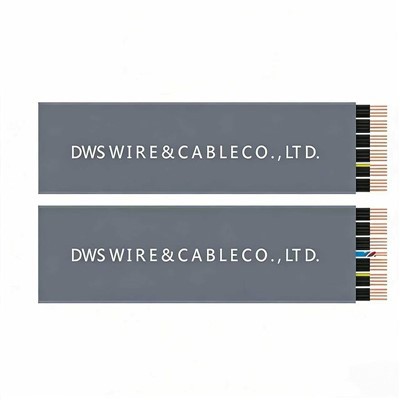
Making Screened Flexible Cables waterproof is a complex process that requires careful consideration of materials, design, and techniques. By using the right materials, such as a water – resistant outer jacket and inner insulation, and applying effective waterproofing techniques, such as sealing the ends and joints, and encapsulation, we can ensure that the cables are protected from water damage.
Extension Cable As a supplier of Screened Flexible Cables, we are committed to providing high – quality, waterproof cables that meet the needs of our customers. If you are in the market for Screened Flexible Cables and have any questions about waterproofing or our products, please feel free to contact us for a purchase negotiation. We look forward to working with you to find the best cable solutions for your applications.
References
- "Electrical Cable Engineering" by John F. K. Wiles
- "Handbook of Electrical and Electronic Insulation Technology" by Charles A. Lewis
- Industry standards and guidelines related to cable waterproofing and performance.
Cixi Davos Wire & Cable Co., Ltd.
As one of the most professional screened flexible cable manufacturers and suppliers in China, we also support customized service. Please feel free to buy bulk high quality screened flexible cable in stock here from our factory. For price consultation, contact us.
Address: No.3, Lane 91, Ruan Ding Road, Linxi Village, Xiaolin Town, Cixi City
E-mail: roy798@163.com
WebSite: https://www.cj-supplychain.com/
