If you’ve ever stood next to a running industrial boiler, a refinery flare, or even a large commercial backup generator, you’ve smelled the sharp, acrid scent of combustion gases—those fumes that carry not just heat and energy, but harmful pollutants like carbon dioxide (CO₂), nitrogen oxides (NOₓ), sulfur dioxide (SO₂), and even trace amounts of volatile organic compounds (VOCs). For years, our industry’s approach to these gases has been either to vent them straight into the atmosphere or to spend thousands on solutions that only capture a fraction of the harmful emissions. As a supplier of combustion gas capture devices, I get asked this question every single week: “You collect the gases, sure—but what do you do with them after that?” It’s a fair question, and one that most manufacturers gloss over with vague answers like “we prepare them for disposal.” Today, I want to pull back the curtain on that process, walk through exactly how our team and our clients manage captured combustion gases from the moment they leave our devices, and explain why the next step is just as critical as the capture itself. Combustion Gas Capture Device
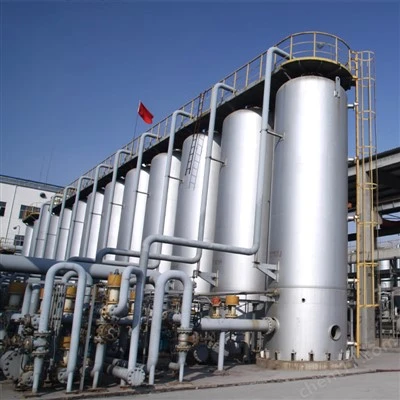
First, let’s set a quick baseline: our combustion gas capture devices aren’t just fancy air filters. They’re modular, sensor-equipped units that mount directly to the exhaust stacks of boilers, kilns, generators, and other industrial processes, pulling in a targeted stream of combustion gases before they hit the atmosphere. The first step post-capture is the one no one sees, but that dictates every future move: pre-treatment. I’ve seen too many capture systems cut corners here, and it’s why some “solutions” end up being more trouble than they’re worth. Raw captured combustion gas is messy. It’s hot—often 300 to 600 degrees Fahrenheit—filled with moisture, particulate matter like ash or soot, and trace contaminants that could damage downstream equipment or ruin the value of the gas when it’s processed. For example, a paper mill client of ours once tried to skip pre-treatment to save a few hundred dollars monthly on operational costs; within six months, their compression unit seized up because of unfiltered ash, costing them $40,000 in repairs and 10 days of downtime. That’s a lesson we hammer into every client training session: pre-treatment isn’t an extra step—it’s the foundation of reliable gas management.
So what does our pre-treatment process look like, in practice? First, we route captured gas through a cyclone separator, a simple but effective device that spins the gas at high speed to separate heavy particulate matter like ash and soot, which fall to the bottom like sediment in a jar. From there, the gas moves to a quench tower, where we spray cooled, filtered water to bring the temperature down to a safe 100 to 120 degrees Fahrenheit and strip out excess moisture and water-soluble contaminants like SO₂, which dissolves into the water. That water isn’t wasted, either—we work with clients to either recycle it back into their process water system or treat it on-site to meet local discharge standards, cutting their waste disposal costs by 70% in most cases. The final step in pre-treatment is a multi-stage filter that catches any remaining fine particles and vaporized contaminants, leaving the gas ready for processing. It’s not one-size-fits-all, either: we adjust the pre-treatment steps based on the specific combustion gases a client is working with. For a natural gas power plant, we might skip the quench tower if the gas is already low in moisture; for a refinery flare burning heavy crude, we add an activated carbon filter to trap excess VOCs that slip past the initial stages.
Once pre-treatment is done, the captured gas is ready for either one of two paths: reuse within the client’s facility, or treatment for external use, and that split is what makes our devices so valuable to different types of businesses. Let’s start with the most common path for our small to mid-sized clients: on-site reuse. The biggest component of combustion gas is CO₂, and when it’s purified, it’s a usable commodity. For a brewer we work with, captured and processed CO₂ is used to carbonate their beer and clean their storage tanks, cutting their annual CO₂ purchases from a third-party supplier by 85% and saving them $120,000 a year. For a food processing plant, captured CO₂ is used to freeze and package fresh produce, replacing the synthetic coolants that were both expensive and harmful to the environment. NOₓ and SO₂ that are left after pre-treatment? We have proprietary chemical scrubbers that convert those into inert, non-toxic salts like ammonium sulfate, which the client can sell to local farmers as a low-cost fertilizer additive—turning what was waste into an extra revenue stream. I love hearing about these success stories, because they prove that gas capture isn’t just about meeting emissions regulations—it’s about turning waste into value.
For larger clients—think multi-plant refineries, large power utilities, or steel mills—we often work to prepare captured gases for external processing and sale, or permanent sequestration if reuse isn’t feasible. The next step here after pre-treatment and filtering is compression. The purified gas is compressed to 100 to 150 pounds per square inch, which makes it easier to transport via pipeline or store in large, underground storage tanks. For a steel manufacturer in the Midwest, we connect their compressed captured CO₂ to a regional pipeline network that sends the gas to local greenhouse farmers, who use it to speed up plant growth, resulting in a 20% increase in their crop yield and a steady revenue stream for the steel plant. In cases where external use isn’t possible, we work with clients to prepare the gas for geologic sequestration—pumping it deep into porous rock formations underground, where it stays permanently stored and doesn’t enter the atmosphere. This process requires a final step: drying the compressed gas to less than 0.1% moisture, so it doesn’t corrode the pipeline or storage infrastructure. We use a combination of desiccant dryers and membrane filters to achieve this, a step that’s optimized to use 30% less energy than older sequestration prep methods, per independent testing we commissioned last year.
A question we get all the time is: how do you ensure that the captured gases don’t leak during processing? It’s a valid concern, and one we take extremely seriously. All of our post-capture processing equipment is built with double-sealed connections and continuous sensor monitoring that tracks gas levels in real time. If a leak is detected—even a tiny one of less than 0.1% of the total volume—the system automatically shuts down the affected section and alerts our 24/7 remote monitoring team, who can troubleshoot issues from our headquarters before a client even realizes there’s a problem. Last year, one of our clients’ monitoring systems picked up a leak in a compression unit at 2 a.m.; our team remotely adjusted a valve, fixed the issue in 10 minutes, and the client never experienced any downtime. We also work with third-party auditors to inspect our processing systems twice a year, to make sure we’re meeting all EPA and OSHA emissions standards across every step of the process. It’s not just about compliance—it’s about building trust with our clients, who rely on us to handle their emissions responsibly.
What I want readers to understand is that the post-capture process isn’t a dirty afterthought; it’s a core part of what our combustion gas capture devices do. Too many people in this industry treat gas capture as a box to check to avoid fines, but we designed our systems from the start to turn waste into a resource. Whether a client is a small local brewery looking to cut costs on CO₂ purchases, a mid-sized power plant needing to meet new emissions regulations, or a large corporation aiming to reduce their carbon footprint, the way we manage captured gases is tailored to their specific needs, budget, and long-term goals. There’s no one-size-fits-all solution, and that’s why we work hand-in-hand with every client to map out a custom process that works for their facility.
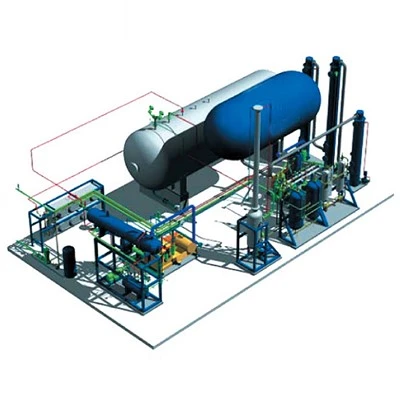
If you’re a facility manager, sustainability director, or operations lead tired of venting harmful gases into the atmosphere and dealing with sky-high emissions fines, the next step is to talk to us. We don’t just sell devices—we provide end-to-end support, from initial site assessments to custom post-capture gas management plans that turn waste into value, reduce your environmental impact, and cut your operational costs. We’ve helped over 200 clients across North America reduce their emissions by an average of 78% and save a combined $12 million annually, and we’re ready to help your business do the same. Don’t settle for capture systems that leave you hanging after the gas is collected. Reach out today to start a conversation about how we can work together.
Liquefaction Storage Equipment References
- Environmental Protection Agency. (2022). “Combustion Gas Capture and Utilization: Best Practices for Industrial Facilities.” EPA Office of Air and Radiation.
- International Energy Agency. (2023). “Global Status of Carbon Capture, Utilization, and Storage.” IEA Energy Technology Series.
- National Fire Protection Association. (2021). “Standard for Combustion Gas Handling Systems for Industrial Applications.” NFPA 88A.
- American Society of Mechanical Engineers. (2022). “Design and Operation of Gas Pre-Treatment Systems for Industrial Emissions Control.” ASME International.
Xinxiang Jiale Intelligent Equipment Co., Ltd.
As one of the most professional combustion gas capture device manufacturers and suppliers in China, we’re featured by quality products and good service. Please rest assured to buy durable combustion gas capture device for sale here from our factory. We also accept customized orders.
Address: No.3913, 9th Floor, Unit 3, East Commercial and Office Complex, Baolong City Plaza, Hongqi District, Xinxiang City, Henan Province, China
E-mail: cc2397410@gmail.com
WebSite: https://www.jiale-asu.com/
