Hey there! I’m a supplier for Steel Workshops, and you know what? One question I often get asked is, "What are the working hours in a steel workshop?" Well, let me break it down for ya. Steel Workshops
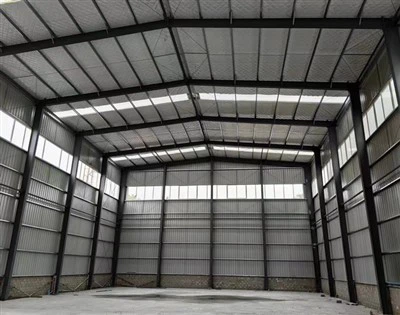
First off, it ain’t a one – size – fits – all situation. Different steel workshops have different schedules, and it depends on a whole bunch of factors.
Most of the time, a typical steel workshop works during normal business hours, kinda like 8 am to 5 pm, Monday through Friday. That’s what we call the standard nine – to – five. This setup is pretty common because it aligns with a lot of other industries. For example, if we’re supplying steel parts to a construction company, they’re usually working these hours too. So it’s easier for them to place orders, and for us to get the stuff ready for delivery.
But hey, the steel business ain’t always that straightforward. Sometimes, we gotta work overtime. Why? Well, there are a few reasons. One big one is when we’ve got a huge order on our hands. Say a construction project needs a whole bunch of custom – made steel beams in a short amount of time. We can’t just sit around and wait for the next week to finish it up. So, we’ll keep the workshop open after the regular hours. Maybe from 5 pm to 8 pm or even later. It’s tough on the workers, but they understand the importance of getting the job done.
Another reason for overtime is when there are production issues. For instance, if a machine breaks down during the day, and we can’t afford to wait for the next day to fix it, we’ll have some guys come in during the evening. They’ll work on getting that machine up and running so we can keep producing steel products.
Some steel workshops also operate on weekends. It’s not the norm, but it happens. If there’s a really tight deadline, we might have a crew come in on a Saturday or even a Sunday. I know it’s not fun for the workers to give up their weekends, but in the steel business, deadlines are everything.
Now, let’s talk about shifts. In many steel workshops, there are different shifts. The first shift is usually the morning shift, which starts around 6 am or 7 am. The workers on this shift are the ones who kick – start the production for the day. They fire up the furnaces, set up the machines, and get all the materials ready.
The second shift usually takes over around 3 pm or 4 pm. These guys take the work that the first – shift workers started and keep it going. They’re responsible for making sure that the production continues smoothly throughout the latter part of the day.
And then there’s the third shift, also known as the night shift. This one starts around 11 pm or midnight. The night – shift workers are the unsung heroes of the steel workshop. They work when most of the world is asleep. It can be a lonely and tiring job, but they do it because it’s necessary. The night shift is great for continuous production. Since there’s less noise and fewer distractions at night, sometimes the production can actually be more efficient.
As a supplier, I’ve gotta keep an eye on these working hours. It helps me manage the orders better. For example, if a customer places an order on a Friday afternoon, I need to know if the workshop is working overtime or on the weekend to give them an accurate delivery date.
The working hours in a steel workshop also have an impact on the quality of the products. When the workers are well – rested and working under normal conditions, they’re more likely to produce high – quality steel. But when they’re working long hours or on night shifts, fatigue can set in, which might affect the quality a bit. That’s why we always make sure to give our workers enough breaks and incentives to keep them motivated.
One thing I’ve learned is that flexibility is key in the steel business. We can’t just stick to a rigid schedule. We have to be able to adjust the working hours according to the demand. If there’s a sudden surge in orders, we’ve gotta get the guys in and start producing more. And if there’s a lull in the market, we might reduce the working hours to save on costs.
I’ve heard some people say that working in a steel workshop is a 24/7 job. Well, it’s not exactly that, but it’s close. There’s always something going on in the workshop, whether it’s production, maintenance, or quality control.
Now, if you’re in the market for steel products, you’re probably wondering how this all affects you. The good news is that our flexible working hours allow us to meet your needs. Whether you need a small batch of steel rods or a large quantity of steel plates, we can work around your schedule.
No matter if you have a big project coming up or a small DIY job, we’re here to help. We can even customize the steel products according to your specifications. Our team of experts has years of experience in the steel industry, and they know how to get the job done right.
So, if you’re looking for a reliable steel supplier, don’t hesitate to reach out. We can discuss your requirements, give you a quote, and work together to make sure your project is a success.
Church Buildings References
- Steel Industry Handbook: An in – depth look at the different operational aspects of steel workshops.
- Interviews with steel workshop workers and managers over the years.
Shandong Honstar Construction Co., Ltd.
As one of the most experienced steel workshops manufacturers in China, we have world-leading production equipment and strong manufacturing capabilities. Please feel free to buy cost-efficient steel workshops for sale here from our factory. Contact us for more details.
Address: No.365,Xinhai street,Weifang,Shandong,China
E-mail: info@honstarconstruction.com
WebSite: https://www.steelbuildingchina.com/
