Hey there! I’m thrilled to share my insights on ensuring the safety of mold installation in a high-speed injection molding machine. As a supplier in this industry, I’ve seen firsthand the importance of getting this process right. A well-installed mold not only guarantees the quality of the final product but also significantly enhances the safety of the entire operation. High Speed Injection Moulding Machine

Pre – installation Checks
Before we even think about installing the mold, a bunch of pre – installation checks are crucial. First off, we need to examine the high – speed injection molding machine itself. You gotta make sure the machine is clean and free from any debris. A dirty machine can cause all sorts of problems during the molding process, and it’s a safety hazard too. Check the hydraulic system for leaks, and make sure the electrical connections are tight and in good condition.
The mold also needs a thorough inspection. Look for any signs of damage, like cracks or chips. Even a small crack can lead to big problems later on, like uneven molding or even a complete mold failure. Measure the mold dimensions to ensure it fits the machine properly. Mismatched dimensions can cause issues during installation and can also affect the quality of the molded parts.
Choosing the Right Tools
Selecting the appropriate tools for mold installation is super important. You don’t want to use the wrong tools and risk damaging the mold or the machine. Hydraulic mold clamps are often a great choice for high – speed injection molding machines. They provide a strong and consistent clamping force, which is essential for keeping the mold in place during the high – speed operation.
Wrenches and bolts are also necessary. Make sure they are the right size and strength for the job. You don’t want a bolt to break during the installation or operation, as it can cause the mold to shift and potentially damage the machine or even harm the operator.
Safety Gear
Safety should always be our top priority. When installing the mold, operators should wear appropriate safety gear, such as safety glasses to protect their eyes from any flying debris, gloves to prevent hand injuries, and safety shoes to guard against any falling objects. A hard hat is also a good idea, especially in industrial settings where there’s a risk of something hitting the head.
Installation Process
Now, let’s talk about the actual installation process. First, position the mold near the injection molding machine. Use a crane or a forklift if it’s a heavy mold. Make sure the mold is aligned properly with the machine’s platen. You can use alignment pins or guides to help with this.
Once the mold is in position, start tightening the clamps or bolts. But don’t go all out at once. Tighten them gradually and in a cross – pattern. This ensures that the clamping force is evenly distributed across the mold. If you tighten them all in one go or unevenly, it can cause the mold to warp, which will affect the quality of the molded parts.
Connect the cooling and heating lines carefully. These lines are crucial for maintaining the right temperature in the mold during the molding process. Make sure there are no leaks in these lines, as it can cause the mold temperature to fluctuate, leading to defective parts.
Testing
After the mold is installed, a test run is a must. Start the machine at a low speed and monitor the operation closely. Check for any abnormal noises, vibrations, or movements. If you notice anything off, stop the machine immediately and investigate the issue.
Perform a few test injections with a small amount of material. Inspect the molded parts for any defects, like air bubbles, uneven surfaces, or flash. If there are any issues, it could indicate a problem with the mold installation, such as improper alignment or clamping.
Maintenance
Even after the mold is successfully installed and tested, regular maintenance is key to ensuring safety. Clean the mold regularly to prevent the build – up of residues. Check the clamps and bolts periodically to make sure they are still tight. Over time, vibrations from the machine can cause them to loosen.
Keep an eye on the cooling and heating systems. Make sure they are functioning properly to maintain the right temperature in the mold. Any imbalance in temperature can lead to problems with the molding process and potentially damage the mold.
Operator Training
One often – overlooked aspect of mold installation safety is operator training. Operators should be well – trained on the proper installation procedures, including pre – installation checks, tool usage, and safety protocols. They should also be trained to recognize and respond to any potential safety hazards.
Regular training sessions can help keep the operators updated on the latest safety practices and ensure they are confident in their abilities to install the mold safely.
Quality Control
Quality control during the mold installation process is essential. Have a quality control team or supervisor review the installation. They can use checklists to ensure that all the necessary steps have been completed correctly. This double – checking can catch any potential issues early on and prevent problems down the line.
Potential Risks and How to Avoid Them
There are several potential risks during mold installation. One of the biggest risks is physical injury to the operators. This can be caused by heavy lifting, getting caught in moving parts, or being exposed to hot materials. To avoid these risks, use proper lifting equipment, like cranes or forklifts, and provide clear safety guidelines to the operators.
Another risk is damage to the mold or the machine. This can happen due to improper handling, incorrect installation, or using the wrong tools. To prevent this, make sure all operators are well – trained and follow the installation procedures carefully.
Conclusion
Ensuring the safety of mold installation in a high – speed injection molding machine is a multi – step process that requires careful planning, proper tool usage, operator training, and regular maintenance. By following these steps, we can not only prevent accidents and damage but also improve the overall efficiency and quality of the molding process.
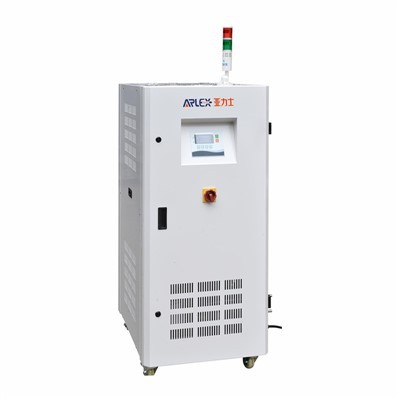
Plastic Injection Moulding Machine If you’re in the market for a high – speed injection molding machine or need more advice on mold installation safety, I’d love to talk to you. Let’s have a chat about how we can work together to meet your molding needs.
References
- Injection Molding Technology Handbook, John A. Giacomin
- High – Speed Injection Molding: Machine, Process, and Mold Design, Byung Yoon Min
Ningbo Yalishi (Arlex) Plastic Machinery Co., Ltd.
Address: No.63, Huangsu East Road, Industrial Zone, Dongqian Lake Tourist Resort, Ningbo, Zhejiang Province
E-mail: leo@arlex.cn
WebSite: https://www.arleximm.com/
