Hey there! As a seasoned supplier of electric tricycle batteries, I often get asked about the cycle life of these crucial energy sources. In this blog post, I’ll dive deep into the concept of cycle life, what factors influence it, and how you can make the most out of your electric tricycle battery’s lifespan. Electric Tricycle Battery
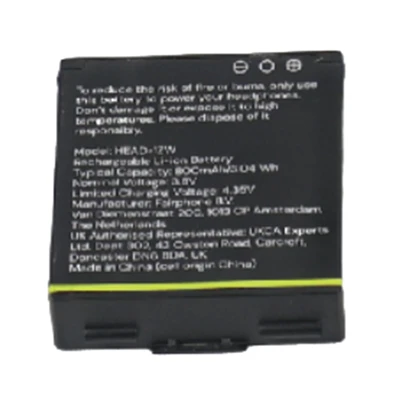
Let’s start with the basics. What exactly is the cycle life of an electric tricycle battery? In simple terms, a cycle refers to the process of charging a battery from empty to full and then discharging it back to empty. The cycle life, therefore, is the number of complete charge – discharge cycles a battery can undergo before its capacity drops to a certain percentage, typically 80% of its original capacity.
For example, if your electric tricycle battery has an initial capacity of 100 amp – hours (Ah) and a cycle life of 500 cycles, after 500 full charge – discharge cycles, the battery’s capacity might reduce to 80 Ah. This reduction in capacity means that the tricycle will have a shorter range on a single charge as the battery ages.
Now, you might be wondering why cycle life matters so much. Well, it directly impacts the long – term cost and performance of your electric tricycle. A battery with a longer cycle life will last longer, which means you won’t have to replace it as often. This not only saves you money in the long run but also reduces the hassle of frequent battery replacements.
There are several factors that can influence the cycle life of an electric tricycle battery. One of the most significant factors is the type of battery chemistry. The most common types of batteries used in electric tricycles are lead – acid batteries and lithium – ion batteries.
Lead – acid batteries are the traditional choice for many electric tricycles. They are relatively inexpensive and easy to manufacture. However, they have a relatively short cycle life, usually ranging from 300 to 500 cycles. This is because lead – acid batteries are more prone to sulfation, a process where lead sulfate crystals build up on the battery plates over time. Sulfation reduces the battery’s ability to hold a charge and can significantly shorten its cycle life.
On the other hand, lithium – ion batteries offer a much longer cycle life. Depending on the specific type of lithium – ion chemistry, they can have a cycle life of 1000 to 2000 cycles or even more. Lithium – ion batteries are more resistant to the chemical reactions that cause degradation in lead – acid batteries. They also have a higher energy density, which means they can store more energy in a smaller and lighter package.
Another factor that affects cycle life is the depth of discharge (DoD). The depth of discharge is the percentage of the battery’s capacity that is used during a discharge cycle. For example, if you use 50% of your battery’s capacity before recharging it, the DoD is 50%.
In general, the shallower the depth of discharge, the longer the battery’s cycle life. This is because deep discharges put more stress on the battery’s internal components. For lead – acid batteries, it’s recommended to keep the DoD below 50% to maximize their cycle life. Lithium – ion batteries are more forgiving and can tolerate deeper discharges, but it’s still beneficial to keep the DoD relatively low, around 80% or less.
Temperature also plays a crucial role in determining the cycle life of an electric tricycle battery. Batteries operate best within a certain temperature range. For most electric tricycle batteries, the ideal temperature range is between 20°C and 25°C (68°F – 77°F).
When the temperature is too high, the chemical reactions inside the battery occur more rapidly, which can lead to increased degradation. High temperatures can cause the battery’s electrolyte to evaporate, and the battery plates to corrode. On the other hand, low temperatures can reduce the battery’s capacity and make it more difficult to charge. Cold temperatures slow down the chemical reactions, which can lead to incomplete charging and a shorter cycle life.
The charging method is another important factor. Using the wrong charger or improper charging techniques can significantly reduce the cycle life of a battery. For example, overcharging a lead – acid battery can cause the water in the electrolyte to evaporate, leading to sulfation and a shortened cycle life. Lithium – ion batteries are more sensitive to overcharging and over – discharging, which can cause permanent damage to the battery cells.
It’s essential to use a charger specifically designed for your battery type and follow the manufacturer’s charging instructions carefully. Some advanced chargers have built – in features that can protect the battery from overcharging and over – discharging, which can help extend the battery’s cycle life.
As a battery supplier, I’ve seen firsthand how proper maintenance can make a huge difference in the cycle life of electric tricycle batteries. Regularly inspecting the battery for signs of damage, such as cracks or leaks, is crucial. If you notice any issues, it’s important to address them immediately.
Cleaning the battery terminals is also important. Over time, dirt and corrosion can build up on the terminals, which can increase the resistance and reduce the charging efficiency. You can use a wire brush and a mixture of baking soda and water to clean the terminals.
For lead – acid batteries, it’s necessary to check the electrolyte level regularly. If the electrolyte level is low, you can add distilled water to bring it up to the recommended level. However, make sure not to overfill the battery.
Now, let’s talk about how the cycle life of a battery can impact the total cost of ownership of an electric tricycle. When you’re considering purchasing an electric tricycle, the initial cost of the battery is just one part of the equation. You also need to factor in the cost of replacing the battery over the tricycle’s lifetime.
A tricycle with a battery that has a short cycle life will require more frequent battery replacements, which can add up significantly over time. For example, if you have to replace a lead – acid battery every two years at a cost of $200, over a ten – year period, you’ll spend $1000 on battery replacements. In contrast, a lithium – ion battery with a longer cycle life might only need to be replaced once or twice in the same ten – year period, resulting in lower overall costs.
In addition to cost savings, a longer – lasting battery also means less environmental impact. Fewer battery replacements mean less waste generated, which is a win for the planet.
As an Electric Tricycle Battery supplier, I’m committed to providing high – quality batteries with a long cycle life. We carefully select the battery chemistries and components to ensure that our batteries can withstand the rigors of daily use. Our R & D team is constantly working on improving the cycle life of our batteries through advanced materials and manufacturing techniques.
If you’re in the market for an electric tricycle battery, or if you want to learn more about how to extend the cycle life of your existing battery, I’d love to chat. We can discuss your specific needs and recommend the best battery solution for your electric tricycle. Whether you’re a small – business owner looking for a reliable fleet of electric tricycles or an individual rider who wants a long – lasting battery, we have the expertise and products to meet your requirements.

Don’t hesitate to reach out and start a conversation. We’re here to help you make the most out of your electric tricycle battery and ensure that you have a smooth and enjoyable riding experience for years to come.
Two Wheeler Battery References
- Linden, D., & Reddy, T. B. (2002). Handbook of batteries. McGraw – Hill.
- Tarascon, J. M., & Armand, M. (2001). Issues and challenges facing rechargeable lithium batteries. Nature, 414(6861), 359 – 367.
- Karden, E., & Sauer, D. U. (2009). Lifetime prediction and aging effects in lithium – ion battery systems. Journal of Power Sources, 194(1), 83 – 91.
Zhuhai Greaton Electronic Technology Co., Ltd.
As one of the most professional electric tricycle battery manufacturers and suppliers in China, we have world-leading production equipment and strong manufacturing capabilities. Please rest assured to wholesale advanced electric tricycle battery in stock here from our factory. Customized orders are welcome.
Address: 2nd Floor, Building A3, No. 6, Liulu, Xinqing Science and Technology Industrial Park, Jing’an Town, Doumen District, Zhuhai City
E-mail: wangchen1@psbattery.cn
WebSite: https://www.cngreaton.com/
