As an epoxy floor flakes supplier, I’ve encountered numerous customers who, after a period of time, wish to change their epoxy floor flakes for various reasons. Whether it’s due to a change in interior design, wear and tear, or simply a desire for a new look, the process of removing epoxy floor flakes can seem daunting. In this blog, I’ll share my insights and experiences on how to effectively remove epoxy floor flakes when you want to change your floor. Epoxy Floor Flakes

Understanding Epoxy Floor Flakes
Before delving into the removal process, it’s essential to understand what epoxy floor flakes are. Epoxy floor flakes are small, colored chips that are mixed into an epoxy resin and applied to a floor surface. They provide a decorative and durable finish, enhancing the aesthetic appeal of the floor while also offering protection against abrasion, chemicals, and stains. Epoxy floor flakes come in a variety of colors, sizes, and shapes, allowing for endless design possibilities.
Reasons for Removing Epoxy Floor Flakes
There are several reasons why you might want to remove epoxy floor flakes. Some of the most common reasons include:
- Change in Design: You may want to update the look of your space by changing the color or pattern of your floor.
- Wear and Tear: Over time, epoxy floor flakes can become worn or damaged, especially in high-traffic areas. Removing the old flakes and applying a new layer can restore the floor’s appearance and functionality.
- Maintenance Issues: If the epoxy floor has developed cracks, bubbles, or other defects, removing the flakes and reapplying the epoxy may be necessary to address these issues.
- Installation Errors: In some cases, the epoxy floor flakes may not have been installed correctly, resulting in an uneven or unappealing finish. Removing the flakes and starting over can help achieve the desired result.
Methods for Removing Epoxy Floor Flakes
There are several methods for removing epoxy floor flakes, each with its own advantages and disadvantages. The method you choose will depend on several factors, including the type of epoxy used, the condition of the floor, and the tools and equipment available. Here are some of the most common methods:
- Mechanical Abrasion: This method involves using a floor grinder, sander, or other mechanical equipment to physically remove the epoxy floor flakes. Mechanical abrasion is effective for removing thick layers of epoxy and can be used on a variety of floor surfaces. However, it can be time-consuming and labor-intensive, and it may generate a significant amount of dust.
- Chemical Stripping: Chemical stripping involves using a chemical solvent to dissolve the epoxy floor flakes. This method is less labor-intensive than mechanical abrasion and can be used on a variety of floor surfaces. However, it can be dangerous if not used properly, and it may require multiple applications to completely remove the epoxy.
- Heat Gun: A heat gun can be used to soften the epoxy floor flakes, making them easier to remove. This method is effective for removing small areas of epoxy and can be used on a variety of floor surfaces. However, it can be time-consuming and may require multiple passes to completely remove the epoxy.
- Pressure Washing: Pressure washing involves using a high-pressure water stream to remove the epoxy floor flakes. This method is effective for removing loose or damaged epoxy and can be used on a variety of floor surfaces. However, it may not be effective for removing thick layers of epoxy, and it may cause damage to the floor if not used properly.
Step-by-Step Guide to Removing Epoxy Floor Flakes
Regardless of the method you choose, the process of removing epoxy floor flakes generally follows these steps:
- Prepare the Area: Before you begin removing the epoxy floor flakes, it’s important to prepare the area. This includes removing any furniture, equipment, or other items from the floor, covering nearby surfaces with plastic sheeting to protect them from damage, and ensuring that the area is well-ventilated.
- Test the Method: Before you begin removing the epoxy floor flakes, it’s important to test the method on a small, inconspicuous area of the floor to ensure that it doesn’t cause any damage. This will also give you an idea of how long the process will take and what tools and equipment you’ll need.
- Remove the Epoxy Floor Flakes: Once you’ve tested the method and determined that it’s safe to proceed, you can begin removing the epoxy floor flakes. Depending on the method you choose, this may involve using a floor grinder, sander, chemical stripper, heat gun, or pressure washer. Follow the manufacturer’s instructions carefully and take all necessary safety precautions.
- Clean the Floor: After you’ve removed the epoxy floor flakes, it’s important to clean the floor thoroughly to remove any remaining debris or residue. This may involve using a vacuum cleaner, mop, or other cleaning equipment.
- Prepare the Floor for New Installation: Once the floor is clean, it’s important to prepare it for new installation. This may involve sanding the floor to create a smooth surface, filling any cracks or holes, and applying a primer or sealer to ensure proper adhesion of the new epoxy floor flakes.
Tips for Removing Epoxy Floor Flakes
Here are some tips to help you remove epoxy floor flakes safely and effectively:
- Wear Protective Gear: When removing epoxy floor flakes, it’s important to wear protective gear, including gloves, goggles, and a respirator. This will help protect you from the chemicals and dust generated during the removal process.
- Follow the Manufacturer’s Instructions: When using a chemical stripper or other removal method, it’s important to follow the manufacturer’s instructions carefully. This will ensure that the method is used safely and effectively.
- Work in Small Sections: When removing epoxy floor flakes, it’s best to work in small sections to ensure that you don’t miss any areas. This will also make the process more manageable and less time-consuming.
- Dispose of the Waste Properly: When removing epoxy floor flakes, it’s important to dispose of the waste properly. This may involve using a hazardous waste disposal service or following local regulations for disposing of chemical waste.
Conclusion
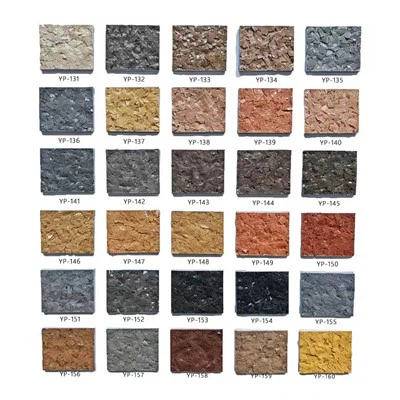
Removing epoxy floor flakes can be a challenging and time-consuming process, but with the right tools, equipment, and techniques, it can be done safely and effectively. As an epoxy floor flakes supplier, I’m here to help you every step of the way. Whether you need advice on the best method for removing your epoxy floor flakes, or you’re looking for high-quality epoxy floor flakes for your new installation, I’m here to assist you.
Epoxy Floor Flakes If you’re interested in learning more about our epoxy floor flakes or have any questions about the removal process, please don’t hesitate to contact us. We’d be happy to discuss your needs and provide you with a free quote. Let’s work together to create the perfect floor for your space.
References
- "Epoxy Floor Coating: A Comprehensive Guide." The Spruce, 2021.
- "How to Remove Epoxy Flooring." Bob Vila, 2021.
- "Epoxy Floor Flakes: Everything You Need to Know." Home Stratosphere, 2021.
Dengjian New Materials Technology Dongtai Co., Ltd.
As one of the most professional epoxy floor flakes manufacturers and suppliers in China, we’re featured by quality products and good price. Please rest assured to buy customized epoxy floor flakes made in China here from our factory. Contact us for pricelist.
Address: Qindong New Materials and Equipment Industrial Park, Dongtai City, Yancheng City
E-mail: 992683005@qq.com
WebSite: https://www.djwallmaterial.com/
