If you’ve ever worked in metal finishing, 3D printing post-processing, or jewelry manufacturing, you’ve probably heard fellow professionals rave about tumbling media—those tiny, shaped materials that turn rough, new parts into smooth, consistent products without harsh chemicals or high heat. As a tumbling media supplier, I get dozens of questions every week: What even is this stuff, and how does it compound do what it does? It’s not just “rocks in a barrel,” and I’ve seen too many operators skip understanding the science behind their media, leading to wasted time, damaged parts, and unnecessary costs. Today, I’m breaking down how tumbling media compound works, straight from the perspective of someone who’s spent 12 years refining these materials for manufacturing teams like yours. Tumbling Media
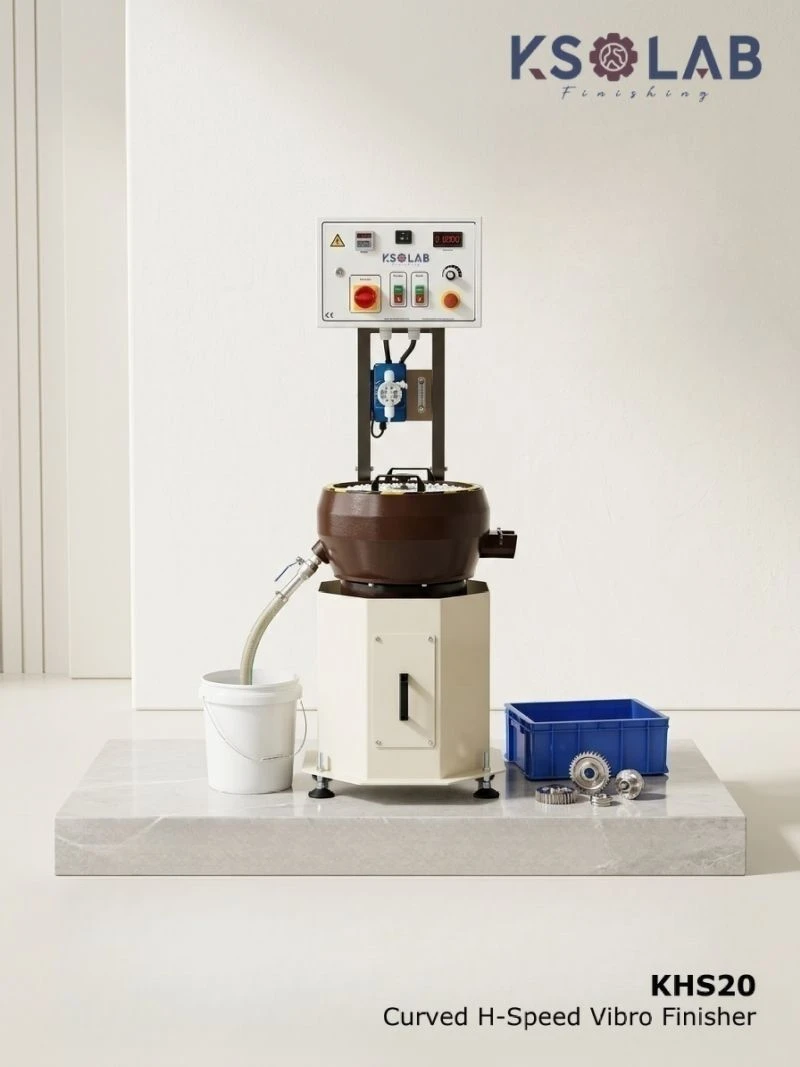
First, let’s ground this in the basics: tumbling (often called barrel finishing) is a process where you load a rotating barrel with your raw parts, tumbling media, and a small amount of water or compound (we’ll define that in a second). As the barrel spins, the media and parts cascade down in a gentle, controlled tumble—think of a bucket of rocks and sand tipping, but slowed to a precise rhythm—creating friction that sands, polishes, or deburrs your parts. The media is the abrasive or abrasive-like material doing the work, and the compound is the unsung partner that makes that work effective, safe, and consistent. Too many people mix these two up, so let’s clarify them right away: media is the hard, reusable material that does the physical contact; compound is the water-based (or sometimes oil-based) liquid that aids that process.
Let’s start with why media alone isn’t enough. I once had a client who tried to polish brass jewelry with just corn cob media (a common organic media) and water, expecting a mirror finish. Three days later, they called me frustrated: their parts were dull, some had small scratches, and they’d gone through twice the amount of corn cob they’d budgeted for. The problem? Water can’t carry the tiny abrasive particles needed to smooth brass’s soft surface, and it doesn’t cut through the tiny metal fines (the tiny shavings left over from milling or casting) that build up between media and parts, creating a gritty paste that scratches instead of polishes. That’s where compound comes in.
Tumbling media compound is a specialized blend of surfactants, abrasives, corrosion inhibitors, and pH adjusters, formulated for specific materials and finishes. At its core, it solves three big problems that pure tumbling media can’t: it lubricates, cleans, and optimizes friction between media and parts. Let’s break down each of those functions, because that’s where the magic happens.
First, lubrication. When media is dry, the points of contact between parts and media are high-friction, rough, and uneven. That’s great for aggressive deburring, but terrible for delicate parts like medical implants or thin 3D-printed aluminum components, which can warp or scratch if the friction is too intense. Compound adds a thin, stable layer between media and parts that reduces excessive friction, creating a consistent, low-pressure interaction. I’ll give you an example: last year, a aerospace parts manufacturer reached out to me about deburr titanium turbine blades. Their previous process used dry ceramic media, and they were losing 7% of their blades to edge rounding that made them fail stress tests. We switched them to a water-based compound formulated for titanium, and they cut edge rounding to less than 0.5% while keeping deburr times the same. The compound let the ceramic media’s sharp edges do their work without grinding away the precise, tight edges the blades needed to function. That’s not a gimmick—that’s compound doing its job.
Second, cleaning. As parts tumble, tiny debris—metal fines, plastic shavings, or even polishing residue—gets trapped between media and parts. If that debris isn’t removed, it acts like sandpaper, leaving micro-scratches that ruin a smooth finish. Compound is designed to suspend those debris particles so they don’t stick to surfaces, and many formulas have emulsifiers that break down oil, grease, or cutting fluid left on parts before they go into the tumbler. For teams that run multiple parts in the same barrel, that’s a game-changer. A jewelry client I work with runs gold, silver, and brass parts together to cut costs, and their previous compound was too strong, which dulled gold and made brass parts discolor. We supplied a pH-balanced compound with a mild emulsifier that separates the metals’ surface oils without cross-contaminating, and their reject rate for mixed batches dropped 18%. That’s the kind of specificity you only get when you understand how compound interacts with both media and the part material.
Third, optimized abrasion for the finish you want. Not all compound is the same, and it’s paired with media type to get exactly the result you need. Let’s tie this back to media: media comes in ceramic, plastic, organic (corn cob, walnut shells), and stainless steel, each with different hardness and shape. Compound is formulated to match that media to enhance its abrasive properties, not overpower them. For example, if you’re using plastic media for light deburring of aluminum, you’ll want a compound with fine, suspended abrasive particles (like aluminum oxide) that add a gentle cutting edge. If you’re using walnut shell media for polishing soft metals like silver, you’ll want a compound with a milder abrasive, more lubrication, and a corrosion inhibitor to prevent tarnish. I can’t tell you how many times I’ve had a client buy the cheapest compound off Amazon, only to find it’s too abrasive for their soft media, leading to media breakdown and a need to replace media every two weeks instead of every three months.
Now, let’s get into the science of how compound and media work together at the micro level, because that’s where the compound term “compounding” comes from (though it’s not the same as pharmaceutical compounding). When you add compound to the tumbler, it creates a thin slurry around each media particle. As media and parts tumble, the slurry fills in the tiny gaps between media and parts, so the friction is spread evenly across the surface, not just at a few high points. This prevents localized over-cutting, which is why you don’t end up with uneven edges or warped parts. The surfactants in the compound also lower the surface tension of water, so it coats every tiny surface of a porous part (like a 3D-printed part with small internal channels) that dry media can’t reach. Last year, a 3D printing startup was having trouble getting rid of the residual support material in the internal channels of their plastic drone parts. They’d tried ultrasonic cleaning, which didn’t reach the tiny channels, and dry plastic media, which got stuck and couldn’t be removed. We recommended a plastic media shaped to fit the channels, paired with a low-surface-tension compound that seeped into the narrow spaces, and they removed 100% of the support material in 4 hours—something no other process had done.
But here’s a key point I always tell new clients: compound doesn’t work in a vacuum. The ratio of media, parts, compound, and water matters, too. If you add too little compound, the slurry is too thin, and debris doesn’t get suspended. Too much compound, and the lubrication is so thick that media doesn’t make enough contact with parts to do the work. I’ve seen clients load 100 pounds of parts, 150 pounds of media, and 5 gallons of compound—way too much—leading to slow, ineffective tumbling and a barrel that’s heavy to move. The sweet spot, for most processes, is a 2:1 ratio of media to parts, with just enough compound to cover the top layer of the media (usually 5-10% of the total weight of media). That’s a formula we’ve refined over thousands of client trials, and it’s saved our clients an average of 22% on their media and compound costs each year.
Now, if you’re reading this, you might be wondering: why does this matter to my operation? I’ve seen teams cut corners on media and compound, and the cost adds up fast. A $500 barrel of parts getting ruined because you used the wrong compound, or media breaking down because you didn’t pair it with the right compound, that’s lost revenue. As a supplier, my job isn’t just to sell you media—it’s to help you understand how to use it with the right compound to get consistent, high-quality results. Whether you’re deburring medical devices, polishing jewelry, or post-processing 3D-printed parts, the right combination of media and compound cuts cycle times, reduces reject rates, and extends the life of your media.
If you’re tired of dealing with inconsistent finishes, frequent media replacement, and high reject rates from your tumbling process, let’s talk. I’ve worked with teams across manufacturing to custom-match media and compound for their specific parts, and I can help you refine your process to save time and money. Reach out to us to start a conversation about your tumbling media and compound needs.
Tumbling Media References
- Metal Finishing Association. (2021). Barrel Finishing Fundamentals: Media and Compound Interactions.
- American Society for Testing and Materials. (2020). Standard Guide for Tumbling Media Performance in Surface Finishing.
- Industrial Finishing Magazine. (2022). The Science of Slurry Formation in Vibratory and Barrel Finishing.
- Nof, S. Y. (Ed.). (2019). Springer Handbook of Manufacturing Engineering and Technology, Chapter 12: Surface Finishing Processes.
KS Lab Finishing Co., Ltd.
As one of the most professional tumbling media manufacturers in China, we also support customized service. We warmly welcome you to wholesale durable tumbling media made in China here from our factory. If you have any enquiry about pricelist, please feel free to email us.
Address: No.11-14, Yantian Shuibei Commercial Street, Fenggang Town,Dongguan,China
E-mail: sales@kslabfinishing.com
WebSite: https://www.kslabfinishing.net/
