If you’ve ever ordered anything large, shipped a pallet of supplies to a warehouse, or unloaded a load of inventory at a retail store, you’ve touched a pallet. I’ve been in the pallet supply business for 12 years, and one question I get more than any other isn’t about pricing or delivery timelines—it’s about what pallets are actually made of. Most people see a wooden skid and assume that’s the only material, but over the years, I’ve worked with every type of pallet material from pine to recycled plastic, and each has its own set of pros, cons, and best-use cases. Today, I want to break down the most common pallet materials, how they’re made, and when you’d want to pick one over the other—straight from the perspective of someone who doesn’t just sell pallets, but walks their team through repairing them and troubleshooting issues for clients every week. Pallet
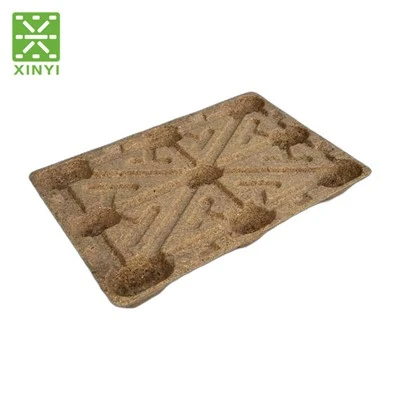
Let’s start with the most ubiquitous material: wood. Roughly 90% of all pallets sold in North America are wood, and that number hasn’t shifted much in the last decade, even as newer materials hit the market. It’s easy to see why: wood is cheap, lightweight enough to move with hand trucks or forklifts, and durable enough for most standard shipping needs. Not all wood pallets are the same, though. Most are made from softwoods, specifically pine, spruce, or fir—these are fast-growing, easy to source, and cut into standard sizes with minimal processing. The softness of these woods also makes them easy to disassemble and repair, which is a big plus for small businesses that might want to reuse pallets instead of buying new ones. Some higher-grade wood pallets use hardwood, like oak or maple, for applications that need extra durability. For example, a pallet moving heavy metal parts or construction equipment might be made of oak, since it can hold more weight and resist wear from repeated lifting.
How are wood pallets made, exactly? I’ll walk you through the process step by step, because it’s not just cutting a tree into a few planks. First, the raw lumber is kiln-dried. That’s a critical step—killing any pests, fungi, or bacteria that could contaminate the goods being shipped, and also reducing the moisture content to between 15% and 20% to prevent the pallet from warping or rotting. Once dried, the planks are cut to standard dimensions—for a GMA (Grocery Manufacturers Association) pallet, the most common standard pallet used in retail, that’s 40 inches by 48 inches. Next, the planks are arranged into the top deck, bottom deck, and stringers (the long pieces that connect the decks, forming the frame). Most pallets have three stringers, though some heavy-duty ones have five. Then, nails are driven in to secure the planks, and that’s it—well, almost. Many pallets are heat-treated to meet international shipping standards, like IPPC (International Plant Protection Convention) rules, so they can cross borders without risk of pest transmission. I always tell clients that if their pallets are going overseas, they need to confirm the treatment, because a pallet that isn’t IPPC-compliant can get stuck in customs and delay a whole shipment.
For all their popularity, wood pallets have downsides. They’re prone to splintering, which can damage finished goods like electronics or food products. They’re also susceptible to rot, especially if they’re used outdoors in rainy or humid conditions, and they can only hold up to about 5 to 10 uses before they’re too damaged to repair. They also absorb liquids, which is a big problem if you’re shipping chemicals or food items that need to stay dry. That’s why for many specialized industries, other materials make more sense.
Next up: plastic pallets. Over the last 15 years, plastic pallets have gone from a niche product for pharmaceutical companies to a regular request from our clients in food and beverage, e-commerce, and automotive. When I started in this business, I only got a handful of requests for plastic pallets a year; now, they make up about 15% of our sales. The appeal is obvious: plastic is durable, water-resistant, easy to clean, and resistant to pests, rot, and splinters. A good-quality plastic pallet can last 50 or more uses, which is a huge plus for companies that move the same high volumes of goods repeatedly. They’re also consistent in size and weight, which is a big benefit for automated warehouses that rely on machinery to pick and store pallets—no uneven planks or warped pieces to throw off the equipment.
What are plastic pallets made of? Most are made from high-density polyethylene (HDPE), which is the same plastic used in milk jugs and grocery bags. Some high-performance ones use polypropylene (PP) for extra strength, or recycled plastic for companies that prioritize sustainability. The manufacturing process for plastic pallets is different from wood: most are made via injection molding, where molten plastic is poured into a mold and cooled into the full pallet shape in one piece. That’s why they’re so consistent—no variations in plank thickness or nail placement like you get with wood. There are also some hollow plastic pallets, which are lighter and cheaper, and solid plastic pallets, which are heavier and more durable for heavy loads.
Plastic pallets aren’t for everyone, though. They’re significantly more expensive upfront—sometimes 2 to 3 times the cost of a comparable wood pallet. For small businesses that only need a few pallets for occasional shipments, that extra cost isn’t worth it. They’re also heavier than wood, which might mean higher shipping costs for the pallet itself, especially if you’re moving empty pallets back and forth. And while they’re durable, they can crack if exposed to extreme temperatures or dropped from a high height, so they’re not ideal for rough, heavy-duty construction or outdoor use in very cold climates.
Another material that’s gained traction lately is metal pallets, usually made from steel or aluminum. Metal pallets are the most durable of all the common pallet types, with a lifespan of 100+ uses. They’re completely water-resistant, pest-proof, and fire-resistant, which makes them perfect for industries that deal with hazardous materials, heavy machinery, or high-value goods like luxury goods or medical devices. Metal pallets also don’t splinter or break, so they won’t damage products, and they’re easy to clean and sanitize, which is a requirement for pharmaceutical and food processing facilities.
Most metal pallets are made from steel, which is stronger and cheaper than aluminum, though aluminum pallets are lighter, making them easier to move manually. The downside? They’re extremely heavy—much heavier than wood or plastic—so they’re not practical for most standard shipping, and they can be more prone to denting or scratching, which might leave marks on some products. They’re also the most expensive upfront, and for that reason, they’re mostly used for closed-loop systems, where the same pallets are used repeatedly within a single facility or network, instead of being shipped out to different locations globally. I’ve only sold a handful of metal pallets in my career, mostly to automotive parts manufacturers that need to move heavy engine components, and even then, we usually recommend them only for in-plant use because of the weight.
Then there are the more specialized pallet materials, which we work with for very specific client needs. For example, corrugated pallets, which are lightweight, made from cardboard, and used for shipping lightweight, non-fragile goods like clothing or small electronics. They’re cheap and disposable, but they only last one shipment, so they’re not reusable. We also have pallets made from composite materials, which are a mix of wood fibers and plastic, combining some of the best qualities of both—they’re more durable than wood, lighter than plastic, and resistant to moisture and pests. Composite pallets are becoming popular for the food industry, because they’re easy to sanitize and don’t have the risk of splinters or chemical leaching like some wood pallets can. For clients that want a sustainable option, we also offer 100% recycled pallets, made from reclaimed wood, plastic, or even metal.
A lot of people ask me which pallet material is “the best,” and my answer is always: it depends on your needs. There’s no one-size-fits-all. If you’re a small business that’s shipping occasional orders of non-fragile goods to local customers, a standard wood pallet is probably the most cost-effective. If you’re a large e-commerce brand with an automated warehouse that ships thousands of orders a week, a plastic pallet might save you money in the long run by reducing replacement costs and speeding up processing. If you’re a pharmaceutical company that needs to ship temperature-sensitive or sterile products, a composite or plastic pallet is non-negotiable.
I’ve seen clients make the wrong choice more times than I can count—like a small retail owner who bought plastic pallets because he thought they were “greener,” only to realize the upfront cost ate into his profit margin so much he couldn’t afford to stock enough. Or a manufacturing company that kept using cheap wood pallets for heavy equipment shipments, only to have three loads damaged because the wood pallets split mid-shipment. That’s why I always take the time to ask clients about their use case: how heavy are the goods? Are they being shipped across the country or within the same warehouse? Do they need to be sanitized? Are sustainability a priority? Answering those questions makes the decision so much easier.
Over the years, the biggest shift I’ve seen in pallet materials is the push for sustainability. Ten years ago, most clients didn’t ask about recycled materials or end-of-life disposal. Now, 60% of our new clients bring up sustainability in their first call. Wood pallets are already recyclable, and a lot of our clients are choosing to buy used wood pallets instead of new ones, which keeps them out of landfills and cuts costs. Plastic pallets can also be recycled at the end of their life, and many manufacturers take back old plastic pallets to melt down and make new ones. Metal pallets are also fully recyclable, so there’s almost no waste there.
One thing I always make sure clients understand is that the material of the pallet directly impacts their bottom line, not just for purchase price but for shipping, damage claims, and storage costs. A more expensive pallet upfront might save you hundreds or thousands of dollars in the long run by reducing product damage. I’ve had a client in the food industry who switched from wood pallets to composite pallets a few years ago, and he told me he reduced product damage claims by 80% in the first year. The extra cost per pallet was recouped in damage savings in less than six months.
If you’re in the market for pallets and feeling overwhelmed by all the options, don’t overcomplicate it. Start by listing your non-negotiables: weight capacity, reuse frequency, required treatments for shipping, and any special needs like sanitization or sustainability. Then, talk to a supplier who knows their stuff—someone like me, who’s been in the business long enough to know the difference between a cheap, flimsy wood pallet that will split on day one and a heavy-duty oak pallet that will last for years. We don’t just sell pallets; we help clients find the right pallet for their specific needs, no matter the size of their business.
Whether you’re a small business owner just starting out with your first shipment, or a large warehouse manager looking to update your pallet fleet, understanding what pallets are made of is the first step to making a smart, cost-effective choice. I’ve worked with every type of client, from local craft breweries shipping beer to regional stores to national retailers moving millions of units across the country, and I can tell you that the right pallet makes a huge difference in the efficiency of your operations and the safety of your products.

If you’re ready to talk through your pallet needs, whether you’re looking for new pallets, used pallets, or custom solutions, don’t hesitate to reach out. We can walk through your requirements, share our recommendations, and make sure you get pallets that work for your business, not against it.
Single Deck Pallets References:
- Pallet Design Association. "Pallet Material and Manufacturing Best Practices." 2022.
- National Wood Pallet and Container Association. "Wood Pallet Specification and Performance Standards." 2021.
- Plastics Industry Association. "Plastic Pallet Applications and Durability Testing." 2023.
- International Plant Protection Convention. "International Standards for Phytosanitary Measures No. 15 (ISPM 15)." 2020.
Cangzhou Xinyi Straw Moulded Products Co., Ltd.
Cangzhou Xinyi Straw Moulded Products Co., Ltd. is one of the most experienced pallet manufacturers and suppliers in China, featured by quality products and good price. Please rest assured to buy bulk durable pallet made in China here and get quotation from our factory. We also accept customized orders.
Address: Hanzhao Village, Xiangfang Township, Haixing County, Cangzhou, Hebei, China
E-mail: xy001@xinyipallet.com
WebSite: https://www.moldedwoodpallets.com/
