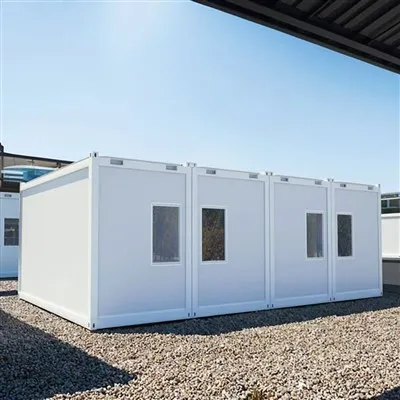
As a container house supplier, I’ve always been interested in the concept of universal design and the idea that our homes should be accessible to everyone, regardless of their physical abilities. In recent years, there has been a growing demand for housing solutions that cater to people with disabilities, and container houses have emerged as a viable option due to their flexibility, affordability, and sustainability. But the question remains: are container houses truly accessible for people with disabilities? Container House
The Advantages of Container Houses for Accessibility
One of the primary advantages of container houses is their modular nature. Containers can be easily modified and customized to meet the specific accessibility needs of individuals with disabilities. For example, ramps can be added to provide wheelchair access, doorways can be widened to accommodate mobility aids, and grab bars can be installed in bathrooms for added safety. Additionally, the open floor plan of many container houses allows for greater flexibility in layout, making it easier to create accessible spaces that can be adapted as the needs of the occupants change over time.
Another benefit of container houses is their affordability. Compared to traditional brick-and-mortar homes, container houses are often more cost-effective to build and maintain. This makes them an attractive option for individuals and families with disabilities who may be on a limited budget. Additionally, the use of recycled shipping containers in construction is an environmentally friendly choice that can help reduce the carbon footprint of the housing industry.
Challenges and Considerations
While container houses offer many potential benefits for people with disabilities, there are also some challenges and considerations that need to be addressed. One of the main challenges is ensuring that the container house meets all relevant accessibility standards and regulations. This includes requirements for wheelchair ramps, door widths, bathroom fixtures, and other accessibility features. It’s important to work with a qualified architect or builder who has experience in designing and constructing accessible housing to ensure that the container house meets all necessary standards.
Another consideration is the location of the container house. Accessibility isn’t just about the design of the house itself; it also includes the surrounding environment. The location should be easily accessible by public transportation, and there should be adequate parking and sidewalks for wheelchair users and other individuals with mobility impairments. Additionally, the site should be free of obstacles and hazards that could pose a risk to the safety of the occupants.
Designing for Accessibility
When designing a container house for people with disabilities, it’s important to take a holistic approach that considers the needs of the occupants at every stage of the design process. Here are some key design considerations to keep in mind:
Entrance and Exit
- Provide a wheelchair ramp with a gentle slope leading to the entrance of the house. The ramp should be wide enough to accommodate a wheelchair and any assistive devices.
- Install automatic doors or door openers to make it easier for individuals with limited mobility to enter and exit the house.
- Ensure that the entrance area is well-lit and free of obstacles.
Interior Layout
- Design an open floor plan that allows for easy movement throughout the house. Avoid narrow hallways and tight corners that could make it difficult for wheelchair users to maneuver.
- Place important living areas, such as the bedroom, bathroom, and kitchen, on the same floor to minimize the need for stairs or elevators.
- Consider using sliding doors or pocket doors instead of traditional swinging doors to save space and make it easier to navigate.
Bathroom
- Install a wheelchair-accessible shower or bathtub with a built-in seat and grab bars. The shower floor should be slip-resistant to prevent falls.
- Place the toilet at an appropriate height and install grab bars on both sides for added support.
- Ensure that the bathroom is large enough to accommodate a wheelchair and allow for easy turning.
Kitchen
- Install countertops at a height that is comfortable for wheelchair users to reach. Consider using adjustable countertops to accommodate individuals of different heights.
- Use pull-out drawers and shelves instead of cabinets to make it easier to access items.
- Install a wall-mounted oven and a cooktop with front controls to eliminate the need to bend down.
Lighting and Electrical
- Ensure that the house is well-lit throughout, with additional lighting in areas such as the entrance, stairs, and bathroom.
- Install electrical outlets at a convenient height for wheelchair users to reach. Consider using USB ports for charging devices.
- Use motion sensor lights or voice-activated controls to make it easier to turn on and off lights.
Case Studies: Successful Examples of Accessible Container Houses
To illustrate the potential of container houses as an accessible housing solution, let’s take a look at a few real-world examples.
The Green House Project
The Green House Project is a non-profit organization that has been at the forefront of the movement to create person-centered care homes for older adults and people with disabilities. In some cases, they have used container houses as a cost-effective and sustainable alternative to traditional nursing homes. These container houses are designed with accessibility in mind, featuring wide doorways, wheelchair ramps, and accessible bathrooms. The open floor plan allows for easy movement and social interaction, creating a more homelike and inclusive environment for the residents.
Global Ecovillage Network
The Global Ecovillage Network promotes sustainable and inclusive communities around the world. In some of their projects, they have used container houses to provide affordable and accessible housing for people with disabilities. These container houses are often designed in collaboration with local architects and community members to ensure that they meet the specific needs of the residents. The use of recycled materials and sustainable building practices not only reduces the environmental impact but also makes the housing more affordable and accessible.
Conclusion
In conclusion, container houses have the potential to be a highly accessible housing option for people with disabilities. Their modular nature, affordability, and sustainability make them an attractive choice for individuals and families looking for a housing solution that meets their specific needs. However, it’s important to address the challenges and considerations associated with accessibility, such as meeting relevant standards and regulations and designing for the specific needs of the occupants.
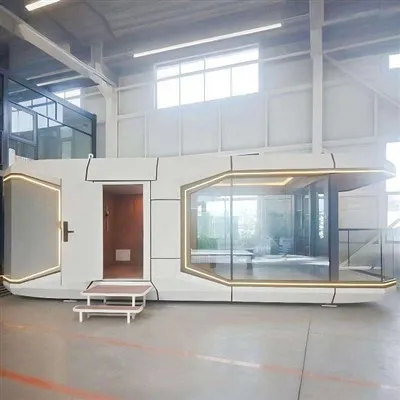
Standard Apple Cabin As a container house supplier, I am committed to working with architects, builders, and individuals with disabilities to create accessible container houses that provide a safe, comfortable, and inclusive living environment. If you are interested in learning more about our container house solutions for people with disabilities or would like to discuss a potential project, I encourage you to reach out to me for a consultation. Together, we can make accessible housing a reality for everyone.
References
- International Code Council. (2018). International Building Code. Washington, D.C.: International Code Council.
- U.S. Access Board. (2010). 2010 ADA Standards for Accessible Design. Washington, D.C.: U.S. Access Board.
- The Green House Project. (n.d.). About Us. Retrieved from The Green House Project website
- Global Ecovillage Network. (n.d.). What is an Ecovillage? Retrieved from Global Ecovillage Network website
Aoborui Seiko Technology (Weifang) Co., Ltd.
As one of the most professional container house manufacturers and suppliers in China, we also support customized service. Please feel free to wholesale high-grade container house made in China here from our factory. Welcome to view our website for more information.
Address: Building 38, Zhongnan High-tech, Weifang Yuandu Huizhi Industrial Park, No. 3999, Taixiang Street, Hanting District, Weifang City, Shandong Province
E-mail: admin@sino-abr.com
WebSite: https://www.sinoabr.com/
