Hey there! I’m a supplier of guanidine biocides, and today I wanna have a chat about whether guanidine biocides can be used in the energy industry. Guanidine Biocides
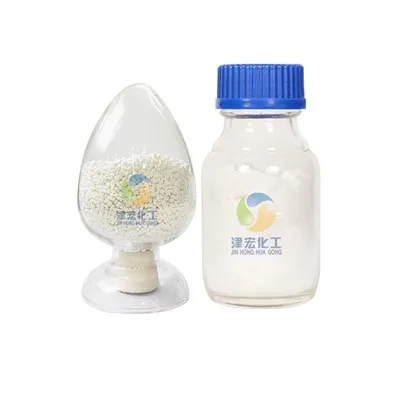
First off, let’s understand what guanidine biocides are. They’re a type of chemical compound that have some pretty impressive antimicrobial properties. These biocides can effectively kill or inhibit the growth of a wide range of microorganisms, like bacteria, fungi, and algae. And this is super important because in the energy industry, microbial growth can cause all sorts of problems.
In the oil and gas sector, for example, microbiologically influenced corrosion (MIC) is a major headache. Microorganisms can attach themselves to the inner surfaces of pipelines, storage tanks, and other equipment. As they grow and multiply, they can create biofilms. These biofilms act like little fortresses for the microbes and also create an environment where corrosion can occur at an accelerated rate. This can lead to leaks, equipment failures, and costly repairs. That’s where guanidine biocides come in. They can break through those biofilms and kill the microbes, helping to prevent MIC.
One of the great things about guanidine biocides is their broad – spectrum activity. They work against both aerobic (oxygen – loving) and anaerobic (oxygen – hating) bacteria. In the energy industry, you’ve got different environmental conditions within the systems. For instance, in deep – sea oil wells or underground storage facilities, the oxygen levels can vary widely. Guanidine biocides can handle these different conditions and still do their job of killing off the unwanted microbes.
Another advantage is their relatively low toxicity compared to some other biocides. In the energy industry, safety is a top priority. You don’t want to use chemicals that are going to pose a huge risk to the workers or the environment. Guanidine biocides are generally considered to be relatively safe when used as directed. They break down relatively quickly in the environment, which means they don’t persist and cause long – term harm.
Now, let’s talk about applications in power generation. In cooling water systems of power plants, whether it’s a coal – fired, gas – fired, or nuclear power plant, microbial growth is a constant issue. Algae and bacteria can grow in the cooling water, clogging pipes and heat exchangers. This reduces the efficiency of the cooling system, which in turn can affect the overall power generation process. Guanidine biocides can be added to the cooling water to keep these microbes in check. They can help maintain the proper flow of water through the system and prevent fouling.
In the renewable energy sector, specifically in biofuel production, guanidine biocides also have a role to play. Biofuel production often involves fermentation processes, where yeast and bacteria are used to convert organic matter into fuels like ethanol or biodiesel. But sometimes, unwanted microorganisms can contaminate these fermentation tanks. These contaminants can compete with the desired microbes for nutrients and produce by – products that can affect the quality and quantity of the biofuel. By using guanidine biocides, producers can control the growth of these contaminants and ensure a more efficient fermentation process.
However, it’s not all sunshine and rainbows when it comes to using guanidine biocides in the energy industry. There are a few challenges. One of them is the cost. Compared to some traditional biocides, guanidine biocides can be a bit more expensive. But when you consider the long – term benefits, like reduced equipment maintenance and increased efficiency, the investment can be worth it.
Another challenge is the need for proper dosing. If you don’t use the right amount of guanidine biocides, you might not get the desired results. Too little, and the microbial growth won’t be effectively controlled. Too much, and you could be wasting money and potentially causing harm to the environment. So, it’s really important to have a good understanding of the system you’re working with and to test and monitor the biocide levels regularly.
Compatibility is also an issue. Guanidine biocides need to be compatible with other chemicals and materials in the energy systems. For example, in some oil and gas production processes, there are other chemical additives in the pipelines. If the guanidine biocide reacts negatively with these additives, it could lead to the formation of precipitates or other problems that could damage the equipment.
Despite these challenges, I firmly believe that guanidine biocides have a lot of potential in the energy industry. I’ve seen firsthand how they can make a real difference in maintaining the integrity of energy systems.
If you’re in the energy industry and are dealing with microbial growth issues in your operations, why not give guanidine biocides a try? I’m here as your supplier, ready to offer you high – quality guanidine biocides and provide the support you need regarding dosing, compatibility, and application. Contact me if you’re interested in discussing a potential purchase and let’s work together to solve your microbial problems and make your energy operations more efficient.
Polyhexamethylene Guanidine References:
- "Microbiologically Influenced Corrosion in the Oil and Gas Industry" – Journal of Petroleum Science and Engineering
- "Biocides in Cooling Water Systems of Power Plants" – International Journal of Thermodynamics and Heat Transfer
- "Control of Microbial Contamination in Biofuel Production" – Bioenergy Research Journal
Hebei Jinhong Chemical Co., Ltd.
Hebei Jinhong Chemical Co., Ltd. is one of the most professional guanidine biocides manufacturers and suppliers in China. With abundant experience, we warmly welcome you to wholesale high quality guanidine biocides made in China here and get pricelist from our factory. For price consultation, contact us.
Address: North of Fazhan Road, East of Qingyuan Road, Nanbao Development Zone, Tangshan City, Hebei Province
E-mail: kevin@hbjhchemical.com
WebSite: https://www.hbjhchemical.com/
