If you’ve ever stared at a bag of shelf-stable, tangy dried mango or crisp apple slices from the grocery store and thought, “I could make that at home,” you’re not alone. For years, that’s been the question I’ve heard from home bakers, snack lovers, and even casual cooks who reach out to my team at our dried fruit slices business. As someone who’s spent the last decade perfecting the science of dehydrating fruit on a commercial scale (and testing every home method under the sun before we launched our brand), I can tell you: yes, you can make dried fruit slices at home. But there’s a lot more to it than just slicing fruit and leaving it in the sun. Let’s break down what works, what doesn’t, and the lessons I’ve learned moving from home experiments to supplying dried fruit slices to cafes, meal kit companies, and specialty retailers across the country. Dried Fruit Slices

First, let’s talk about why home attempts often fall flat. Most home cooks skip two critical steps: pre-treatment and proper drying. I’ve seen this firsthand—friends who tried sun-drying peaches only to end up with moldy, rubbery slices that turned sour after a week. Or folks who baked apple slices in a regular oven on too high a temperature, resulting in burnt edges and a texture that felt more like a hard cracker than the chewy, evenly dried snack we make in our facility. The truth is, drying fruit is about reducing moisture content to a level where mold, yeast, and bacteria can’t grow—usually around 20% or less, depending on the fruit. Pre-treatment helps lock in color, prevent browning, and speed up the drying process, which is key to avoiding that mushy, off-taste many home versions have.
Let’s start with the best method for home use, in my experience: using an electric food dehydrator. This is the tool we rely on daily in our commercial kitchen, and while a high-end model costs a bit more than a regular oven, it’s designed to circulate consistent, low-temperature air—usually between 135°F and 145°F for fruit—instead of the fluctuating heat of a home oven. I tested 17 different recipes over six months when we were first launching our small-batch test runs, and the dehydrator method was the most consistent. Here’s how to do it right: first, choose ripe, firm fruit. Overripe bananas or mushy peaches will turn into a mess during drying—they need to hold their shape when sliced. For slices, aim for a uniform thickness: ¼-inch is ideal for most fruits (apples, pears, mango), while ⅜-inch works for denser fruits like pineapple. Too thin, and they’ll burn; too thick, and they’ll stay moist in the center.
Next, pre-treatment. This is the step most home cooks skip, and it’s non-negotiable. Our team uses a mix of ascorbic acid (vitamin C) and a light sugar dip for many of our offerings, but for home use, a simple lemon water works just as well. Squeeze one lemon into four cups of cold water, and soak your sliced fruit for 5 to 10 minutes. This prevents enzymatic browning— that unappetizing dull brown color that makes dried fruit look old before it’s even done. For fruits like apples, this is a game-changer. I once tried drying untreated apple slices side-by-side with lemon-soaked ones; after 24 hours, the untreated ones were a dark, grayish brown, while the soaked slices kept their natural golden hue. Patting the slices dry with a paper towel after soaking also helps them dry faster, which reduces the risk of fermentation during the process.
Once your fruit is prepped, arrange the slices on the dehydrator trays in a single layer, making sure they don’t touch or overlap. Overcrowding leads to uneven drying and mold. For the first 6 hours, keep the temperature at 135°F; then, you can bump it up to 140°F for the remaining time. How long does it take? That depends on the fruit. Thin apple slices might be done in 8 to 10 hours, while thicker mango slices can take 12 to 14 hours. The test? A finished slice should be pliable, not brittle or sticky. If you bend it, it should crack slightly but not break apart. If it’s sticky, it needs more drying. If it’s brittle, you dried it too long (don’t worry, it’s still edible—just better for baking than snacking).
But what if you don’t have a dehydrator? Can you do it with a regular oven? The short answer is yes, but it’s trickier. Home ovens have hot spots, so you’ll need to rotate your trays every hour to ensure even drying, and you’ll want to prop the oven door open a few inches to let moisture escape. I’ve tested this too—early on, before we upgraded our commercial equipment, I dried small batches in my home oven. The key is to set the oven to its lowest temperature (usually around 170°F, but some ovens go as low as 150°F), line your baking sheets with parchment paper (not aluminum foil, which can trap moisture), and follow the same pre-treatment and slicing rules. Just know that oven-dried slices often have a slightly “cooked” flavor, whereas dehydrated slices taste more like fresh fruit. For me, that’s the difference between a snack that tastes like a piece of fruit and one that tastes like a baked good.
Now, the sun-drying method—something many people swear by. I don’t recommend it for most home kitchens, though, unless you live in a very dry, low-humidity climate (like the Southwest U.S.) and can monitor the process closely. Sun-drying takes 2 to 3 days, and you have to bring the fruit inside at night to avoid dew, which can cause mold. You also have to protect it from bugs by covering the trays with fine mesh. I tried sun-drying peaches one summer in my backyard in the Midwest, and it turned out so-so—half the slices were dry, but a few had fuzzy mold spots. It’s a traditional method, but it’s inconsistent for home use, especially in areas with high humidity.
Once your slices are done drying, storage is another common pitfall. If you seal them in an airtight container while they’re still cool, you’ll get condensation, which leads to mold. Let them cool completely at room temperature for an hour or two, then store them in airtight jars or plastic bags in a cool, dark place. They’ll last for 2 to 3 months that way—longer than store-bought, actually, because you’re not adding preservatives. (Our commercial dried fruit slices last 6 to 12 months because we use food-grade vacuum sealing, but home storage works just as well if you follow the cooling step.)
Now, here’s the part I wish I’d known when I first started: home-dried fruit slices are great for personal use, but they’re not the same as the commercial versions we supply. We test each batch for moisture content every single time we run a production, because even a 1% difference can mean the difference between a shelf-stable snack and one that goes bad in a week. We also source specific varieties of fruit (like Honeycrisp apples or Ataulfo mangoes) that are firm enough to dry evenly, something home cooks might not have access to. Plus, we do small quality checks: sorting out any slices that are too thick, have browning spots, or don’t meet our texture standards.
I get messages all the time from people who say, “I tried making dried fruit at home, but it turned out rubbery—what did I do wrong?” Most of the time, it’s either not drying long enough, not using the right pre-treatment, or slicing too thick. But I also know that some people don’t have the time or space to run a dehydrator for 12 hours, or they want a consistent product for their café’s charcuterie board, or they need bulk quantities for a family event. That’s where our dried fruit slices come in. We work with small businesses, event planners, and even large families who want high-quality, preservative-free dried fruit without the trial and error of home drying.
Wait, let’s address a common misconception: is home-dried fruit safe? As long as you follow the drying rules, yes. The key is reaching that 20% moisture level, which kills harmful bacteria. The USDA has guidelines for home food drying, and it’s totally safe when done correctly. I always tell friends who are nervous to start small: try drying just a cup of apple slices first, follow the lemon water soak, check the texture every 8 hours, and you’ll get the hang of it.
I’ve also noticed that home cooks often overcomplicate it. You don’t need fancy tools to start—you can buy a basic dehydrator for $50, or even use your oven, as long as you’re diligent. The biggest mistake I see is rushing the process. Drying fruit is slow, but that’s what concentrates the flavor. A slow-dried mango is sweet, tangy, and chewy, while a rushed one (dried in an oven at too high a temp) is hard and loses that fresh fruit taste.
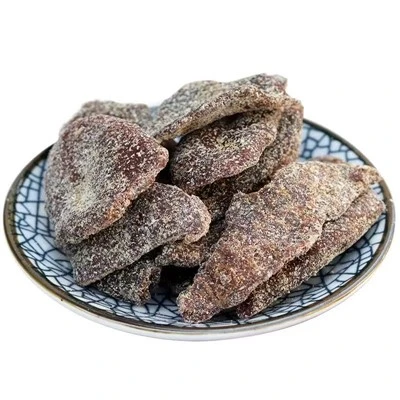
So, to circle back to the original question: can you make dried fruit slices at home? Absolutely. It’s a fun weekend project, a way to use up extra fruit from your garden, and a healthier alternative to store-bought snacks with added sugars. But if you’re looking for a consistent, large-scale product for your business, events, or everyday snacking without the hassle of testing methods and adjusting times, our team is here to help. We supply a range of dried fruit slices—mango, apple, pear, banana, and even pineapple—sourced from organic and conventional farms, dried to the perfect moisture content, and free of preservatives and added sugars. We work with partners of all sizes, from small local cafes to large event companies, to create custom orders that fit their needs. If you’re interested in learning more about how our dried fruit slices can work for you, feel free to reach out to our team to discuss your requirements and place an order.
Prune Preserves (References: US Department of Agriculture. Home Food Drying Guide. 2022; National Center for Home Food Preservation. Drying Fruits at Home. 2021; Journal of Food Protection. Safety of Home-Dried Fruits and Vegetables. 2019)
Gayafru Food (Hangzhou) Co., Ltd.
As one of the most professional dried fruit slices manufacturers and suppliers in China, we have world-leading production equipment and strong manufacturing capabilities. Please rest assured to buy bulk high quality dried fruit slices made in China here from our factory.
Address: 2nd Floor, Building 5, No.513-523 Shunda Road, Economic and Technological Development Zone, Linping District, Hangzhou City, Zhejiang Province, China
E-mail: shenhuafang216@foxmail.com
WebSite: https://www.gayafru.com/
