Hey there! I’m a supplier in the cooling system business, and today I wanna chat about the differences between air-cooled and water-cooled systems. Cooling System

Let’s start with air-cooled systems. These are pretty straightforward. They use air as the cooling medium. You’ve probably seen them in a bunch of places, like small industrial setups, home computers, and even some cars.
One of the big advantages of air-cooled systems is their simplicity. They’re relatively easy to install. You don’t need a complex network of pipes and pumps like you do with water-cooled systems. All you need is a fan or a series of fans to blow air over the heat-generating components. This simplicity also means they’re generally more affordable. If you’re on a tight budget, an air-cooled system can be a great option.
Another plus is their low maintenance. There’s no risk of water leaks, which can cause a whole lot of problems in a water-cooled system. You just need to make sure the fans are clean and working properly. A quick dusting every once in a while usually does the trick.
But air-cooled systems aren’t perfect. They’re not as efficient as water-cooled systems when it comes to removing heat. Air has a lower heat capacity than water, which means it can’t absorb as much heat per unit volume. So, if you have a high-powered device or a large industrial process that generates a lot of heat, an air-cooled system might struggle to keep up.
Also, air-cooled systems can be noisy. The fans need to spin at high speeds to move enough air to cool the components, and that can create a fair amount of noise. This can be a real issue in environments where noise is a concern, like offices or residential areas.
Now, let’s talk about water-cooled systems. These systems use water as the cooling medium. They’re commonly found in large industrial facilities, data centers, and high-performance computers.
The biggest advantage of water-cooled systems is their efficiency. Water has a much higher heat capacity than air, which means it can absorb a lot more heat. This makes water-cooled systems much better at handling high heat loads. They can keep components at a lower temperature, which can improve their performance and lifespan.
Water-cooled systems are also quieter than air-cooled systems. Since the water does most of the cooling, the fans don’t need to spin as fast, resulting in less noise. This makes them a great choice for environments where noise is a problem.
However, water-cooled systems come with their own set of challenges. They’re more complex to install. You need to set up a network of pipes, pumps, and a cooling tower or heat exchanger. This requires more time and expertise, and it can be more expensive.
Maintenance is also more involved. You need to monitor the water quality to prevent corrosion and scale buildup. You also need to check for leaks regularly. If a leak occurs, it can cause damage to the equipment and the surrounding area.
In terms of cost, water-cooled systems are generally more expensive upfront. But over the long term, they can be more cost-effective, especially in high-heat applications. Since they’re more efficient, they can save on energy costs.
Let’s compare the two systems in some specific applications.
In a home computer, an air-cooled system is usually sufficient. Most home computers don’t generate enough heat to require a water-cooled system. Air-cooled systems are also easier to install and maintain, which is great for the average user.
But in a data center, water-cooled systems are the way to go. Data centers generate a huge amount of heat, and air-cooled systems would struggle to keep up. Water-cooled systems can handle the high heat loads and keep the servers at a stable temperature.
In industrial applications, it depends on the size and heat output of the process. Smaller industrial processes might be able to get by with an air-cooled system, but larger ones usually require a water-cooled system.
So, which system is right for you? Well, it depends on your specific needs. If you have a low-heat application, a tight budget, and don’t mind a bit of noise, an air-cooled system might be the way to go. But if you have a high-heat application, need a quiet system, and are willing to invest in a more complex setup, a water-cooled system is probably the better choice.
As a cooling system supplier, I’ve seen firsthand the pros and cons of both air-cooled and water-cooled systems. I can help you determine which system is right for your specific situation. Whether you’re looking to cool a small computer or a large industrial facility, I’ve got the expertise and the products to meet your needs.
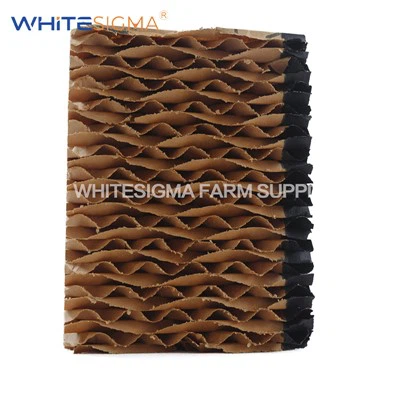
If you’re interested in learning more about our cooling systems or want to discuss your specific requirements, don’t hesitate to reach out. We can have a chat, go over your options, and find the best solution for you. Let’s work together to keep your equipment cool and running smoothly.
Watering References:
- "Thermal Management Handbook" by Peter Stephan
- "Cooling Systems for Electronic Equipment" by Randall K. Smith
Whitesigma Farm Supply Co., Ltd.
Whitesigma Farm Supply Co., Ltd. is one of the most professional cooling system manufacturers and suppliers in China, specialized in providing high quality customized service for global clients. We warmly welcome you to wholesale durable cooling system made in China here from our factory.
Address: North Ring Road East, Donghe Village, Zhuozhou City, HeBei, China.
E-mail: Snow@whitesigma.com
WebSite: https://www.whitesigma.com/
