Hey everyone, let’s talk about something that doesn’t get nearly enough airtime—oxalate-related kidney disease (ORik, yeah I’m gonna shorten that for the rest of this post). If you’ve ever had a friend or family member dealing with kidney stones, chances are you’ve heard the word “oxalate” thrown around, but odds are no one’s actually broken down what it is, how it messes with your kidneys, and what actually helps (hint: that’s where we come in, but let’s save the sales pitch for later). Oxalates

First, let’s get real about what oxalate even is. It’s a naturally occurring compound found in so many foods we love—spinach, almonds, sweet potatoes, even dark chocolate. Your body also makes its own oxalate, too, like a tiny, overworked factory in your liver. For most people, this is totally fine. Your gut binds oxalate with calcium before it can get absorbed, and then it gets flushed out in urine. No big deal, right? But for some folks, that system breaks down, and that’s when ORik starts to creep in.
So what’s oxalate-related kidney disease exactly? It’s basically when excess oxalate builds up in your body, and your kidneys can’t filter it all out fast enough. Instead of getting peed away, that extra oxalate forms tiny, sharp crystals that get stuck in your kidneys, tubules, and even other parts of your body over time. The most common early sign is kidney stones—those painful little rocks that make you wanna crawl to the ER. But it doesn’t stop there. If left unmanaged, those crystals can cause chronic kidney disease (CKD), kidney failure, and even damage to bones or organs outside the urinary tract. That’s why it’s such a big deal, especially for people who struggle with high oxalate absorption or make way too much of it on their own.
Let’s talk about who’s at risk, because it’s not just people who eat a ton of spinach (though that can play a part). There’s primary hyperoxaluria, which is a genetic condition—your body’s just built to make way too much oxalate, no matter what you eat. That’s a rare but super serious case. Then there’s enteric hyperoxaluria, which happens when your gut’s messed up—like if you’ve had weight loss surgery, or have IBS, celiac disease, or inflammatory bowel disease. When your gut’s not working right, it can’t bind oxalate properly, so way more of it gets into your bloodstream than it should. Oh, and even people who take certain meds, or have low levels of gut bacteria that normally break down oxalate, can end up with too much of it floating around. I’ve heard from so many people who thought “cutting spinach” would fix their kidney stone issue, only to realize it’s way more complicated than that. That’s why getting the right info is non-negotiable.
Now, here’s where things get interesting—wait, no, let’s keep it real. Managing ORik isn’t just about cutting food with oxalate. It’s a whole team effort, between doctors, dietitians, and yeah, sometimes suppliers who have the right products to help. A lot of people don’t know that there are actually products out there that help bind oxalate in the gut before it gets absorbed. That’s why I started in this space, actually—my team and I saw so many folks struggling to find consistent, high-quality oxalate binders that actually work, not something that’s cheap or hard to get right. We’re not the big pharma guys—we’re the people who talk to patients every day, hear their frustrations, and build products that actually fit their lives.
Wait, let’s back up to make this science makes sense. When oxalate is in your gut, if it can’t attach to calcium, it slips through the intestinal wall, into the blood, and heads straight for the kidneys. A good oxalate binder does exactly what the gut’s supposed to do—grabs that oxalate before it’s absorbed, so it just passes through and leaves the body. It’s simple, but it’s not always easy to get right. A lot of binders on the market either don’t bind enough oxalate, or they bind to other good stuff you need, like calcium or magnesium, which defeats the purpose. That’s why we’ve spent years testing our products, making sure they’re targeted, consistent, and don’t mess with your body’s other nutrients.
But here’s the thing—ORik isn’t something you can self-diagnose. If you’re having frequent kidney stones, pain when you pee, blood in your urine, or fatigue that won’t go away, go see a nephrologist (kidney doctor) first. They can run tests—like a 24-hour urine test to see how much oxalate you’re excreting, or blood work to check your kidney function. Don’t just Google symptoms and cut all the foods you love. A dietitian who specializes in kidney disease or oxalate management can help you figure out what your personal trigger points are, because everyone’s body is different. Some people can handle a little spinach, others can’t, depending on how much their gut absorbs.
I’ve talked to so many people who’ve had to completely overhaul their diet, and it’s tough. I get it—food’s not just fuel, it’s joy. We wanted to build products that take some of that stress away, so people don’t have to stress about every single bite they take. Our binders are designed to be easy to take, no weird side effects, and consistent so you know exactly how much oxalate you’re removing. We work with clinics, dietitians, and even individual patients who need a reliable source, because we know how hard it is to find something you can count on when dealing with a chronic condition.
Let’s also bust a common myth here: not all oxalate is bad. It’s a natural compound, and for most people, it’s not an issue. The problem only happens when your body’s balance is off. That’s why focusing on your overall gut health, staying hydrated (so important—water helps flush oxalate out before it crystals), and working with a team of medical pros is way more effective than just cutting foods. Some people even find that adding certain foods, like chia seeds or flaxseeds (wait, do they have oxalate? Yeah, a little, but they have fiber that helps gut health), actually helps, depending on their case. It’s not a one-size-fits-all, which is why generic advice online is so hit or miss.
Another thing that doesn’t get talked about enough is the impact on quality of life. Dealing with frequent kidney stones means missing work, canceling plans, going through costly ER visits. Chronic kidney disease from ORik means long-term meds, regular doctor’s appointments, and worrying about the future. That’s why we’re not just selling a product—we’re trying to make a real difference for people who are stuck in that cycle. We’ve heard stories from people who started using our binders, their oxalate levels went down, they had fewer stones, and they could start enjoying their lives again. That’s the stuff that matters most to us.
Now, if you’re someone who’s dealing with ORik, or a clinic, dietitian, or hospital that needs a reliable supplier for oxalate-related products, we’re here to help. We don’t do pressure sales—we want to talk to you, answer your questions, make sure our products are a good fit for your specific needs. Whether you need bulk quantities for a clinic, or personal use products for yourself, we can work with you to find a solution that fits. Don’t waste time on products that don’t deliver, or playing the guessing game with oxalate management.
Wait, let’s wrap this up without sounding like a sales pitch, yeah? The takeaway here is that oxalate-related kidney disease is a real, manageable condition, but it’s not something you should go at alone. Get tested, work with your care team, and don’t be afraid to reach out for products that can support your treatment. If you’re in the market for consistent, high-quality oxalate binders or related resources, we’re the team to talk to. We’re here because we care about this space, because we’ve seen how it impacts people, and we want to be a part of the solution.
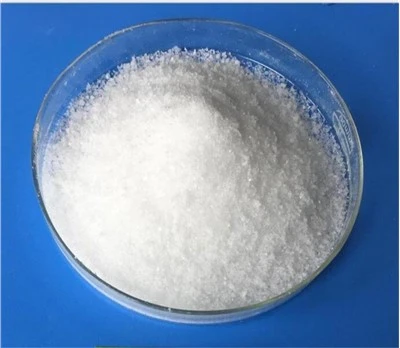
At the end of the day, ORik doesn’t have to rule your life. With the right info, the right medical care, and the right support products, you can manage your oxalate levels and get back to doing the things you love. If you’re ready to chat about how we can support your practice or your personal needs, just reach out. We’re here to help.
Acetates REFERENCES
- Miller P, et al. Oxalate-related kidney disease: a clinical update. American Journal of Kidney Diseases. 2021;78(3):412-422.
- Hatch M, et al. Gastrointestinal handling of oxalate: implications for hyperoxaluria and kidney stone disease. Nature Reviews Nephrology. 2019;15(10):601-614.
- knoefel R, et al. Enteric hyperoxaluria: pathophysiology, diagnosis, and management. Current Opinion in Nephrology and Hypertension. 2020;29(4):407-413.
- Milliner DS. Primary hyperoxaluria: an update on diagnosis and treatment. Clinical Journal of the American Society of Nephrology. 2019;14(11):1665-1675.
Jiangsu Kolod Food Ingredients Co., Ltd.
As one of the most professional oxalates manufacturers and suppliers in China, we’re featured by quality products and good price. Please rest assured to wholesale bulk oxalates made in China here and get free sample from our factory. Customized orders are welcome.
Address: South Side of Weier Road, Guanyun Development Zone, Lianyungang City, Jiangsu Province, China
E-mail: sales1399@jskolod.com
WebSite: https://www.kolod-group.com/
