Hey guys – if you’ve ever stared at your closet at 7 a.m., 20 minutes before a job interview, and wondered if your blazer’s making the right impression? Yeah, been there. As someone who’s worked in women’s jackets and coats for years (I know, random side note, but it shapes everything I pick out for these moments), let’s cut the stuffy corporate fashion jargon and talk real styling tips that actually work. No boring “corporate chic” garbage – just stuff that makes you feel like you, while signaling you’re the person for the job. Women’s Jackets and Coats
First off, let’s get one thing straight: not all blazers are created equal for interviews. I’ve seen so many girls grab their oversized college blazer that’s been in their closet since 2019, and while it’s comfy? It’s sending the wrong vibe. Interviews need a blazer that fits like it was made just for you – not too baggy in the shoulders (nothing screams “I didn’t care enough” more than sleeves that cover your wrists), not so tight you’re gasping when you cross your arms. As someone who sources these blazers, I’ll tell you: structured vs. relaxed fits matter way more than you think. If you’re interviewing at a law firm or a bank? Go structured. Sharp lapels, thick enough fabric to hold its shape when you sit down (I’m talking wool blends or crepe – they don’t wrinkle in your commute). If it’s a startup or creative agency? A slouchy, relaxed blazer in a soft fabric like viscose or light linen is perfect – it’s professional without feeling like you’re auditioning for a suit commercial.
Color next. Don’t default to black just because you think that’s “professional.” Black works for some, but if you’re interviewing at a marketing company, a deep forest green or a muted navy is way more memorable – in a good way. Wait, but hear me out: avoid anything too loud. Neon pink? No, save that for Friday. Anything with a huge pattern? Leave that for coffee dates. Neutrals are your best friend here, but that doesn’t mean boring. Soft taupe, dusty blue, charcoal – these colors are calm, they let your personality shine through without overwhelming, and they go with literally everything in your closet. I’ve had customers tell me a navy blazer sold the deal for a graphic design job once – it’s professional, not scary, and stands out way more than basic black.
Now the fun part: pairing it with the rest of your outfit, because a blazer only works if it matches what’s under it. This is where so many people mess up. If you’re wearing a blazer, don’t layer it over a bulky turtleneck that makes the shoulders pop weirdly. For structured blazers, go for something sleek: a crisp white button-down is a classic, but don’t sleep on a silk camisole either – it’s feminine, not too casual, and looks way more polished than a ratty old tee. For relaxed blazers, you can get away with a nice ribbed knit top, as long as it’s not cropped. Pro tip: if you’re wearing pants, make sure your blazer hits right at the hip bone – if it’s too long, it makes your legs look shorter, and no one wants that during a standing interview.
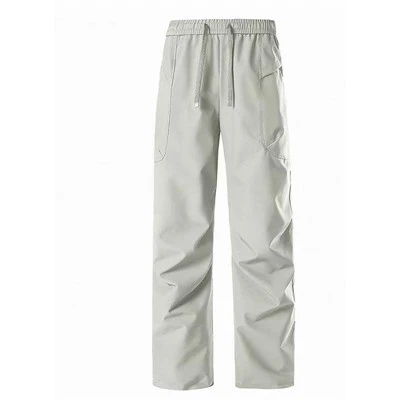
Pants vs. skirts – this is personal, but let’s talk what works. If you’re going for pants? High-waisted tailored trousers in the same color as your blazer (matching sets are huge right now, and for good reason – they look intentional, not like you threw something together) or black straight-leg pants. No leggings, no skinny jeans. If you love skirts? A midi pencil skirt in a subtle print (like tiny houndstooth or a muted floral that’s not too bold) or solid A-line is perfect. Just make sure the hem hits at the knee or just above – not too short, not too long. I once had an intern come to an interview with a blazer and a maxi skirt – she looked great, but the blazer got lost under all that fabric, and it took away from how sharp she could have been.
Shoes and accessories – keep it simple, people. No 6-inch stilettos where you’re wobbling down the hallway. Block heels, loafers, clean white sneakers (yes, sneakers – if the company is super casual, plain white leather sneakers look way better than strappy heels) or even nice flats. No sneakers with a loud logo, though – save those for the weekend. Accessories: one small necklace, stud earrings, a simple watch. Skip the big hoop earrings that swing when you talk, skip the stack of bracelets that clink when you take notes. And whatever you do, don’t bring a huge tote bag that takes up half the interview table – a small structured crossbody or a clean leather notebook and pen is all you need.
Wait, what about when it’s chilly in the office? Don’t throw on a random cardigan over your blazer – that’s bulky and messy. If the office is cold, opt for a thin silk shell under your blazer, or carry a small pashmina in your bag that you can drape over your shoulders if needed. No bulky layers under a structured blazer – it ruins the fit. And speaking of fit: when you try on a blazer before the interview, do the “sit and stand test.” Sit down, cross your legs, make sure the buttons (if it has buttons) don’t pull. Stand up, raise your arms like you’re high-fiving your interviewer – if the blazer rides up and shows your midriff, it’s too small. If it gaps at the shoulders, it’s too big. I’ve seen so many people skip this test and end up adjusting their blazer nonstop during the interview, which is distracting.
Another thing: fabric matters for comfort. You’re going to be nervous, so the last thing you want is a blazer that’s scratchy or makes you overheat. Wool blends are great for winter, they look sharp and hold their shape. For spring and summer, linen-blend blazers are perfect – they breathe, and if you get a little wrinkled on the commute, just smooth it out right before you walk in the door. Avoid cheap fabrics that look shiny or feel stiff – they scream “I bought this for $20 at a fast fashion store” instead of “I invest in pieces that make me look put-together.”
Wait, let’s talk about buttons. Most interview blazers are single-breasted, right? For single-breasted blazers, always button the top button if there’s only one, or the top two if there are three. Leave the bottom button unbuttoned – that’s a rule for a reason, it makes you look relaxed, not stiff. Double-breasted blazers? Same rule, button all the front buttons when standing, unbutton when sitting. No exceptions. I can’t tell you how many times I’ve fixed a customer’s blazer buttons before they go in for an interview – it’s the tiny detail that makes a huge difference.
What if you don’t have a blazer yet, and you need something fast? Don’t panic – you don’t have to spend a fortune. Look for blazers with stretch in the fabric, they fit way better than rigid ones. Avoid super trendy cuts that will look outdated in a year – stick to classic silhouettes that will work for interviews for years. As someone who sells these, I’d say invest in one quality blazer that fits you perfectly, instead of three cheap ones that don’t. It pays off.
Let’s go through a quick example, because sometimes seeing is believing. Suppose you’re interviewing for a content creation job at a small brand. You’re female, 20s, interview is at 10 a.m. on a Tuesday. What do you wear? Relaxed fit soft navy blazer (linen-blend, so you don’t overheat), cream ribbed knit top (not cropped, hits at your waist), high-waisted white straight-leg jeans (nice, not ripped, no distressing), white leather block sneakers, small silver stud earrings, and a tiny leather crossbody that fits your ID and notebook. That’s it. It’s casual but polished, shows you’re creative without being unprofessional, and you’ll be comfortable the whole time.
Another example: interview for a corporate finance role. Structured charcoal blazer (wool blend), crisp white button-down (cotton, not sheer), tailored black straight-leg trousers, black pointed-toe loafers, small pearl studs, watch. No more, no less. It’s sharp, it shows you take the role seriously, and it’s not over-the-top.
Mistakes to avoid at all costs: oversized blazers that swallow your frame, ill-fitting sleeves (they should hit right at the base of your thumb, not past your wrist), loud patterns or colors, bulky layers under the blazer, and anything that requires constant adjusting. The goal is to look put-together, not like you’re wearing a costume. You want the interviewer to remember your skills, not that your blazer was too big.
Wait, one last tip: when you get the blazer, steam it. Don’t iron it – ironing can leave shiny marks that look cheap. A steamer takes 2 minutes, and it gets rid of all the wrinkles from being in your closet or the packaging. I always tell my customers to steam their blazers the night before the interview, so they don’t have to rush in the morning. No one wants to show up with a wrinkled blazer like they slept in it (even if you did, keep that to yourself).

At the end of the day, styling a blazer for a job interview is all about balance: looking professional, feeling like yourself, and not overdoing it. It’s not about wearing something that doesn’t feel like you – if you never wear dresses, don’t force a skirt and blazer. Stick to what makes you comfortable, because confidence is your best accessory. If you found these tips helpful, and you’re on the hunt for the perfect blazer that fits all these rules (structured, relaxed, everything in between), feel free to reach out to connect and chat through what works for your specific needs. We’d love to help you find the one that makes you walk into that interview like the rockstar you are.
Men’s Pants and Suits References:
- Fashion Industry Network. (2022). Women’s Professional Attire Styling Guidelines for Entry-Level and Mid-Career Interviews.
- Textile Institute. (2021). The Impact of Blazer Fit and Fabric on Professional Perception in Corporate Settings.
- CareerBuilder. (2023). 2023 Interview Attire Survey: What Hiring Managers Actually Notice.
- Wardrobe Oxygen. (2022). The Definitive Guide to Styling Blazers for Work and Interviews.
- Cotton Council International. (2021). Fabrics for Professional Wear: Comfort and Aesthetic Balance.
Tengzhou Jufulong Garment Co., Ltd.
We are one of the most professional women’s jackets and coats manufacturers and suppliers in China, also support customized service. With abundant experience, we warmly welcome you to wholesale high quality women’s jackets and coats made in China here from our factory. Contact us for free sample.
Address: Zongzhuang Village, Jisuo Town, Tengzhou City, Zaozhuang City, Shandong Province (West of Jisuo Middle School)
E-mail: 17606320177@163.com
WebSite: https://www.jufulongwear.com/
