Hey everyone, PVC Film
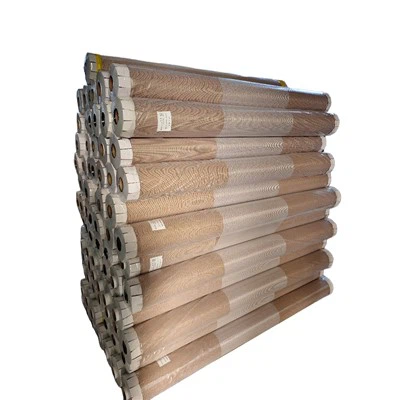
If you’ve ever worked with PVC film—whether you’re a graphic designer printing big wraps, a packaging engineer crafting food-safe bags, or someone who just grabs a vinyl tablecloth without thinking—you’ve probably wondered: “How hot is too hot for this stuff?” I get it, because here’s the thing: I’m not just some guy behind a desk spouting facts. I’m a PVC film supplier, and I’ve fielded this question a hundred times in the last few weeks. Last month, we had a small shop owner call panicking because their custom window decals started melting when left in a delivery van in July heat. Another customer complained their PVC shrink wrap for a garden project got all wobbly in direct sun. So let’s cut through the confusion and talk about PVC film temperature resistance—no jargon, just real info that actually matters for your projects.
First off, let’s stop treating PVC like it’s one single material. That’s the big mistake people make. PVC (polyvinyl chloride) is super versatile because you can tweak its recipe with plasticizers, stabilizers, and pigments to make it hard or soft, stretchy or rigid. And those additives are everything when it comes to how it handles heat. That’s why the “temperature resistance” isn’t a random number we pull out of thin air—it’s a range, and it depends entirely on what your specific PVC film is made for.
Let’s start with the basics: what’s the core temp range for standard plasticized PVC film (the stuff you see in tablecloths, retail packaging, or basic shrink wrap)? From what we test here at the warehouse, most off-the-shelf PVC film we supply can handle sustained temps from -20°C (-4°F) up to about 60°C (140°F). Wait, that’s a pretty wide gap, right? But let’s clarify “sustained” vs. “short-term” heat, because that’s where half the confusion comes in. Sustained is when it’s sitting at that temp for hours or days—like a tablecloth on a patio in summer, or packaging stored in a warm warehouse. Short-term is when it’s exposed to a higher temp for a few minutes, like a shrink wrap gun used on a package, or a decal left in a hot car for a couple hours. For short-term, that same standard film can handle up to about 80°C (176°F) before it starts to soften or warp.
But here’s the catch: if you’re dealing with higher temps than that, like industrial applications, food packaging that goes through hot filling lines, or outdoor signs that live in full sun all summer, standard PVC won’t cut it. That’s where our high-temperature grade comes in. We developed this one a couple years ago after a construction client called because their PVC membrane for a roof liner started cracking in 70°C (158°F) heat. The high-temp PVC we supply is modified with extra heat stabilizers and specialized plasticizers that bump up the sustained range to 85°C (185°F) and short-term to 105°C (221°F). That’s enough for hot filling lines (most beverage fill temps are around 80°C, so this works perfectly) and even outdoor signage in places like Arizona or Florida, where surface temps on cars and buildings can hit 90°C+ in peak summer.
What about cold temps? People rarely ask about cold resistance, but it’s just as important. If you’re using PVC film for outdoor projects in winter, or for something that needs to flex in cold storage, standard PVC gets brittle below -20°C (-4°F). We have a low-temperature grade for that, made with specialized plasticizers that keep it flexible down to -40°C (-40°F)—that’s perfect for frozen food packaging, ski resort signage, or any project in places like Canada or Scandinavia where winters get brutal.
Now, let’s get into what actually happens when PVC gets too hot or too cold, because that’s why the specs matter. If you exceed the sustained max temp, the plasticizers start to leach out over time. That’s not just a “it gets soft” issue—it means the film loses its flexibility, becomes brittle, and can crack or tear. I’ve seen a batch of standard PVC shrink wrap for a garden center that got left on a loading dock in 75°C heat for three days—when they went to use it, it crumbled like old tissue paper. Total waste of time and money. On the flip side, if you only expose it to a higher temp for a little while (like using a heat gun for shrink wrapping), it’ll usually bounce back as long as you don’t hold the heat gun in one spot too long. Overheating PVC too fast, though, can make it bubble, discolor, or even release small amounts of fumes—something to keep in mind if you’re working with it indoors, especially for food-related projects.
Wait, what about UV resistance? Because a lot of people mix up heat and UV, and they’re related but not the same. PVC is already pretty resistant to UV compared to some other plastics, but if it’s going to be outside for years, standard PVC will degrade faster from sun exposure, and that degradation makes it more sensitive to heat. That’s why we add UV stabilizers to our outdoor-grade PVC film—they don’t just block sun damage, they also help keep the plasticizers from breaking down in heat, so the film keeps its shape longer. A client of ours does outdoor event banners—they used to use a generic PVC film that started fading and cracking after a summer, switched to our UV-stabilized outdoor grade, and now their banners last 2-3 years instead of one. That’s the kind of real-world difference that specs make.
Let’s talk about some common scenarios so you can see which grade you need. If you’re printing decals for car windows that might sit in a hot car for a few hours—standard PVC is fine, as long as it’s not left on a dashboard in direct sun all day. If you’re packaging hot coffee cups that go through a filling line at 80°C—you need the high-temperature grade, because standard PVC will warp or stick to the cups. If you’re making packaging for ice cream or frozen meat that gets stored at -18°C—go for the low-temperature grade, so it doesn’t crack when you fold it or seal it. If you’re doing a patio tablecloth that’s out in sun all summer—either outdoor standard or the UV-stabilized grade, depending on how long you want it to last.
I know a lot of suppliers will just give you a generic number like “PVC can handle up to 100°C” and leave it at that, but that’s garbage. It’s way more complicated than that, and the last thing we want is for someone to buy the wrong PVC film and have their project go wrong. Last quarter, we had a customer order standard PVC for a hot sauce packaging line—he ended up calling us in a panic because his film was melting on the filling machine. We swapped him out for our high-temp grade, fixed the problem, and he’s been a repeat customer ever since. That’s why we always ask clients questions before we suggest a film: what’s the application? Will it be in direct sun? What’s the max temp it’ll be exposed to, both short and long term? That’s how we make sure you get the right product, not just a random PVC roll.
Another thing people don’t talk about: thickness matters too. A thin 10-micron PVC film will handle heat differently than a thick 100-micron sheet. Thinner film has more surface area relative to its mass, so it heats up faster and is more sensitive to high temps. That’s why if you need a thin film for something like shrink wrapping, you might want to go a grade higher than if you’re using a thick sheet for a roof liner. It’s all about how the heat transfers through the material.
What about misconceptions? I hear people say “PVC is bad in heat” or “PVC melts easily.” That’s only if you use the wrong grade for the job. The same goes for cold: “PVC gets brittle” is only true if it’s the wrong formulation. We work with clients to match the film to their exact conditions, not make them adapt their project to the film. That’s the whole point of being a supplier, right?
If you’re not sure which grade you need, don’t guess. Test samples are free here—we can send you small rolls of standard, high-temp, or low-temp film so you can test how it handles heat in your specific environment. Last month, a small sign shop ordered samples and tested them with their heat gun, the filling temp they use, even left them on their roof for a week in mid-July. They ended up ordering 500 meters of our UV-stabilized grade for a new line of commercial signs, and said the sample testing saved them from a big mistake.
At the end of the day, PVC film’s temperature resistance isn’t a one-size-fits-all number. It’s a spectrum, tailored to what you’re using it for. The worst mistake you can make is grabbing the cheapest PVC film without checking the specs, only to have it fail when you need it most. Whether you’re working on a small personal project or a big industrial run, knowing the temperature limits of your PVC film saves you time, money, and headache.

If you’re currently working on a project and aren’t sure which PVC film temperature grade you need, or you want to learn more about our different formulations, hit us up to chat through your requirements. We’re here to help you pick the right product for the job, no complicated sales pitch, just real advice from people who deal with PVC film every single day. Don’t end up like that shop owner whose decals melted in a van—let’s get your project on track with the right PVC film.
EVA Coated Mesh Fabric References:
- Modern Plastics Encyclopedia, 2022: Polyvinyl Chloride (PVC) Thermal Properties and Formulation Effects
- ASTM D1525-21: Standard Test Method for Vicat Softening Temperature of Thermoplastics
- European PVC Industry Association (EuPIA), 2023: Outdoor Durability and Thermal Resistance of Modified PVC Films
- Packaging Engineering Handbook, 4th Edition, 2021: Temperature Compatibility of Packaging Films for Food and Industrial Applications
Nantong Dahe Composite New Material Technology Co., Ltd.
We’re well-known as one of the leading PVC film manufacturers and suppliers in China, specialized in providing high quality customized products to global clients. Please feel free to wholesale cheap PVC film in stock here from our factory. Contact us for quotation and free sample.
Address: South Side of Pinghai Highway, Pinghe Village, Dongshe Town, Tongzhou District, Nantong City, Jiangsu Province, China
E-mail: nantongdahe@outlook.com
WebSite: https://www.cndahetech.com/
