If you’ve been around the industrial space for even a minute, you know how hot metal forming—aka forging—still is. Everything from construction beams to car parts, even the tools you use at your workshop, starts with a forge and the machines that run it. So if you’re thinking about starting a forging machine business, you’re not just chasing a random idea. You’re tapping into an industry that never really slows down. But let’s keep it real: this isn’t something you can wing. I’ve been supplying forging machines for over a decade, and I’ve seen new folks jump in, get excited, and miss the mark because they skipped the messy, practical steps. This post isn’t the generic “start a business in 5 easy steps” fluff—it’s the stuff I’ve actually walked through, with lessons that’ll save you from wasting time and cash. Forging Machines
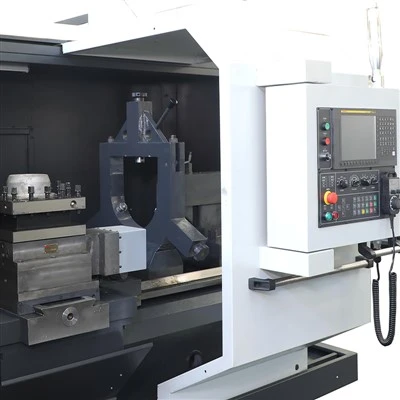
First, let’s get one thing straight: you can’t sell a machine you don’t understand. I don’t mean just knowing the difference between a hydraulic press and a mechanical hammer. I mean breaking down what forging operators actually deal with every day. Last year, I worked with a new entrepreneur who thought all forging machines were the same. He’d look at a $10,000 hammer and a $50,000 hydraulic press and go, “Why would anyone pay that much extra?” Turns out, his target customer—small custom forges that make jewelry and small hand tools—didn’t need a 500-ton hydraulic press. They needed a compact, user-friendly mechanical hammer that fit in their 10×15 space and didn’t require a dedicated maintenance tech. Meanwhile, the bigger auto part forges he wanted to sell to needed machines that could run 12-hour shifts without breaking down, with built-in temperature controls for precision. If I’d skipped that customer deep dive, I’d have stocked the wrong machines, wasted inventory money, and burned through leads. So step one: nail your target customer before you order a single machine.
Let’s narrow that down. Your core customer will fall into two main buckets right now: small-to-mid-sized forges (1-20 employees, making custom parts, tools, or small industrial components) and large-scale manufacturers (auto, aerospace, construction, running high-volume orders). Your business model will change entirely based on which one you pick. If you go small, you’re competing on service—being the guy who answers the phone at 7pm when their press breaks at 2am. If you go large, you’re competing on bulk pricing, reliability, and maybe even customization for their specific production lines. Don’t try to serve both at first. I made that mistake early on, juggling a custom forge in Ohio and a big auto plant in Detroit, and my service to both suffered. Pick one, learn their pain points, and build your inventory and sales strategy around that.
Next, don’t sleep on the basics of sourcing your machines. As a supplier, I can tell you there are two routes here: new machines from manufacturers, or used, refurbished machines. Used machines are a great way to cut costs if you’re targeting small forges that don’t have huge budgets. But here’s the catch: you can’t just buy a beat-up old hammer off Craigslist. You need to vet the refurb shop, test the machine before you take it, and have a repair tech on call (or on your team) to fix small issues fast. A customer who buys a used machine from you and it breaks within a week is a customer you’ll never see again. For new machines, work with manufacturers that specialize in the type of forging machines you’re targeting. Ask for sample machines, get references from other suppliers they work with, and negotiate bulk pricing early—if you plan to order 10 machines a month, that’s way different than 1 a quarter. Also, build in a buffer for shipping and taxes; forging machines are heavy, so shipping costs can eat 15-20% of the machine’s price if you don’t plan for it.
Then, let’s talk about compliance—this is the stuff new entrepreneurs overlook until it’s too late. Forging machines have federal and local safety standards you have to follow, both for your own business and for the machines you sell. OSHA has specific rules for industrial machinery, especially around guardrails, emergency stop buttons, and noise levels. If you’re selling a machine that doesn’t meet those standards, you’re on the hook if something goes wrong. Also, check your local business licenses: industrial equipment sales might require special permits, and if you’re storing machines at a warehouse, that might be zoned for manufacturing, not retail. I had a buddy who stored his machines in a garage at his home because he thought it was fine, and the city shut him down after a neighbor complained about heavy truck traffic. Don’t be that guy.
Sales and marketing—this isn’t just posting on Instagram, guys. Forging machines are high-ticket items, so your leads aren’t going to come from a viral Reel. You need to go where your customers already are. For small forges, that’s trade shows like the National Forging Conference, local industrial networking groups, and even Facebook groups for custom metal workers. Last month, I sent a new rep to a small metal working meetup in Cleveland, and he came back with 12 leads, 3 of which turned into sales. For large manufacturers, you’re talking about B2B outreach to procurement managers, speaking at industry webinars, and building case studies of businesses that’ve used your machines to boost their output. Also, offer demos if you can—small forges love being able to test a machine before they buy it, and big companies might want to run a trial for a week to see how it fits their line. Word of mouth is huge here too. If a small forge tells their buddy “this supplier got my machine running in 24 hours when it broke,” that’s way more valuable than any ad you run.
Wait, what about after-sales support? This is the make-or-break for a forging machine business. A machine is only as good as the help you can give when it glitches. Small forges don’t have an in-house repair team, so if their press breaks at 9pm on a Friday, you need someone who can answer the phone and walk them through a quick fix, or schedule a technician to be there first thing Monday. For large companies, you might offer a service contract where you come in monthly to check the machines, which adds recurring revenue. I learned this the hard way: once, a customer bought a used machine from me, and I didn’t mention that I offered a $50 a month maintenance plan. A year later, he texted me, said the machine had a small leak, and if I’d told him about the maintenance plan, he could’ve avoided the $1,200 repair bill. Now, every time I sell a machine, I push the service plan as hard as I push the machine itself. That’s not a upsell—it’s a way to keep your customers coming back and refer you to others.
Now, let’s talk about money—because this is a business, not a hobby. You’ll need startup capital for inventory, warehouse space, marketing, and insurance. Forging machines aren’t cheap: a small mechanical hammer is $8-$15k, a mid-sized hydraulic press is $30-$60k. If you start with 10 machines, that’s easily $200k-$500k just for inventory, before warehouse rent or marketing. Don’t max out your credit cards here, guys. Look into small business loans for industrial businesses, or even partnerships with the machine manufacturers where you can pay for inventory on net 30 or net 60 terms, so you don’t have to lay out all the cash upfront. Also, offer financing to your customers. Small forges might not have $15k in cash to buy a machine, so if you can do a 12-month payment plan with 5% interest, that’s a sale you’d have lost otherwise. I used to skip financing and lost so many leads, until a customer told me “I’d buy it today if you let me pay monthly.” That changed everything.
Let’s also talk about mistakes I’ve made, because no one tells you the messy parts. Early on, I ordered a bunch of used machines that looked good but had hidden wear and tear. One customer bought a refurbished hammer, and the crankshaft broke three weeks later. I had to fix it for free, which cost me $1,800 in parts and labor. Now, every used machine I sell gets a 10-point inspection from a certified tech, and a 90-day warranty. Another mistake: I tried to sell to a large aerospace forge without knowing anything about their quality standards. They needed machines that could hit a precise 1,800-degree temperature every single time, and I was selling machines that only did “close enough.” I wasted 3 months on that lead, but it taught me to ask the hard questions before I pitch anything. Don’t be afraid to say “I don’t know that, but I can find out for you”—customers respect that more than fake confidence.

So, to wrap this up: start by picking your target customer, then learn their exact needs, source machines (new or used) that fit those needs, get all your licenses and safety stuff squared away, build a support system, and make financing easy for your buyers. This isn’t a get-rich-quick gig. It’s one where you build long-term relationships, and if you do it right, you’ll have customers who stick with you for 10+ years. If you’re ready to take the next step, to talk through what machines make sense for your space and your customers, feel free to reach out.
Heavy Duty Lathe References
- Forging Industry Association. (2023). Global Forging Market Outlook: Trends and Opportunities.
- Occupational Safety and Health Administration. (2022). Safety Standards for Industrial Forging Machinery.
- Small Business Administration. (2021). B2B Startup Guide for Industrial Equipment Suppliers.
Anyang Xinsheng Machine Tool Co., Ltd.
As one of the most professional forging machines manufacturers and suppliers in China, we have world-leading production equipment and strong manufacturing capabilities. Please feel free to buy high quality forging machines at competitive price from our factory.
Address: No.68 Renmin road, Anyang, Henan, China
E-mail: sales@xslathe.com
WebSite: https://www.xs-lathe.com/
