Hey there, ever wandered if graphite nipples are all cut from the same carbon cloth? Spoiler alert: they’re not. As someone who’s been in the graphite nipple game for over 12 years now—you know, dealing with foundries, metal casting ops, and industrial maintenance teams on the daily—I get so many questions about this. The one I field most? “Wait, there are actual grades of these things? I just buy whatever’s cheapest.” Let’s break this down like we’re chatting over coffee (no stuffy lab jargon, promise) because getting the right grade doesn’t just save you money—it keeps your whole operation from grinding to a halt mid-cast. Graphite Nipple
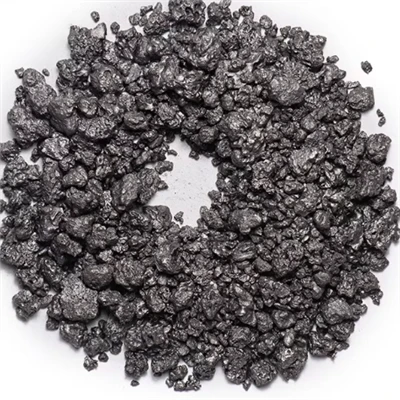
First off, let’s cut to the basics: what’s a graphite nipple, anyway? For anyone new here, it’s that little threaded, heat-resistant graphite part that connects a metal runner (the channel for molten metal) to a gating system in foundry work. Think of it like the “plug and play” link between your furnace’s pour spout and the mold. Now, not all graphite is created equal, and that’s where the grading comes in. I’ve seen guys grab a $0.50 “budget” nipple only for it to crumble after one hot pour, wasting 500 lbs of steel. Then there’s the premium stuff that lasts 10+ pours without a scratch. The difference boils down to three core factors: raw graphite purity, binder strength, and density. And yeah, they’ve got official industry grades to back that up—no smoke and mirrors here.
Let’s start with the cheapest grade, the one most people default to unless they know better: Grade C (yeah, we just call it “Common Grade” in the shop, not the fancy lab name). This is made from low-grade raw graphite—think stuff with a lot of ash, quartz, and other impurities left over from mining. The binder here is a basic resin that doesn’t hold up great to extreme heat, and the density is on the thin side. I used to get a ton of calls about these from small foundries doing low-volume, non-critical casts—like decorative iron planters or small aluminum parts. They work for that, right? No one’s gonna miss a planter if a nipple leaks a little. But if you’re pouring high-stakes stuff: engine blocks, structural steel parts, medical device components? Grade C is a ticking time bomb. I’ve had a customer lose a $10k aluminum engine cast last year because their Grade C nipple split at 1500°F—melted metal all over the mold, total waste. Avoid it for high-heat, high-volume jobs, that’s my take.
Next up is Grade B, what we call “Industrial Grade” around here. This is a step up for folks who want reliability without breaking the bank. Raw graphite here is processed to remove most of the junk—ash content drops from 15-20% in Grade C to 5-8% in Grade B. The binder’s a better phenolic resin, curates tighter, stronger bonds between graphite particles, so the nipple’s way less likely to crack under thermal shock (that sudden hot-cold stress when you pour molten metal into a room-temp mold). Density’s higher too—Grade B nipples are 20-25% heavier than Grade C, and that matters because heavier graphite conducts heat more evenly, no hot spots weakening the part. I sell these to mid-sized foundries doing automotive parts, pump housings, that stuff. They last 5-8 pours on average, which is a huge jump from Grade C’s 1-2. The catch? Don’t push these past 2700°F. If you’re working with superalloys like titanium or high-temp steels, Grade B might not hold up.
Then there’s the big dog, Grade A—“Premium Industrial Grade” or “Foundry Grade A” in our warehouse. This is for the heavy hitters. Raw graphite here is 99% pure, no real impurities left. The binder is a custom-formulated phenolic that’s baked at a super high temperature (like 2000°F) to make it almost unbreakable. Density’s off the charts—1.8 g/cm³, compared to Grade C’s 1.4 and Grade B’s 1.6. Thermal shock resistance? These things can handle being dipped from a 3000°F molten metal stream straight into a room-temp mold without a crack. I’ve got a customer in Pennsylvania that runs 20+ Grade A nipples a day pouring stainless steel valve bodies—they go 12-15 pours before any signs of wear. This is the grade you need for high-volume, high-temperature, mission-critical jobs. The downside? They cost 2-3x more than Grade B, but trust me, the downtime saved is way worth it. I’ve seen a foundry skip a $500,000 auto parts order because they tried to cut corners on nipples—premium parts pay for themselves fast.
Wait, hold on—there’s a fourth grade a lot of people miss, and I call it “Specialty Grade” (some labs might call it Grade S, but we keep it simple). That’s for niche jobs, like working with non-ferrous metals (copper, brass) or even exotic alloys used in aerospace. Specialty Grade uses flake graphite instead of the amorphous stuff we use for the other grades, which has way better corrosion resistance when dealing with certain molten metals. It also has a tiny coating of silicon carbide to stop the metal from wicking into the graphite’s pores. I only stock these on special order because they’re not for everyday use, but when you need ’em, you can’t use anything else. Last year, a aerospace client had a custom titanium prop part that no other grade could hold—we got their order in 2 days, and they’ve been coming back ever since.
Now, why does this all matter beyond just foundry guys? Let’s get real—graphite nipples aren’t a “one-size-fits-all” part, and picking the wrong grade wastes time, money, and materials. I’ve had small business owners tell me they buy the cheapest nipples from Amazon or random industrial suppliers, only to have a bad nipple ruin a $2k cast. That’s the stuff that makes me want to pull my hair out. The truth is, reputable suppliers (like us) label each nipple clearly with the grade, so you don’t have to guess. If a supplier won’t tell you the grade or the specs, that’s a red flag—they’re probably selling you Grade C labeled as Grade B.
Here’s a quick cheat sheet I keep taped to my desk for customers:
- Grade C: <2500°F, low-volume non-critical casts (decorative parts, small aluminum)
- Grade B: 2500-2700°F, mid-volume industrial casts (auto parts, pump housings)
- Grade A: 2700-3000°F, high-volume mission-critical casts (stainless steel, steel structural parts)
- Specialty Grade: >3000°F, niche alloys (titanium, copper)
I get it, it’s easy to just grab the cheapest option when you’re swamped with orders, but trust me—do the math. Let’s say Grade C is $0.50 each, and Grade A is $1.50 each. If Grade C lasts 1 pour, and Grade A lasts 10, you’re paying $0.50 per pour vs $0.15 per pour. That’s a no-brainer. The downtime from a failed nipple? That’s way more expensive than the extra cost per nipple.
Another thing I’ve noticed over the years: a lot of people think graphite nipples get “better with age” or something, but no—if you store them wrong, even a Grade A nipple can go bad. Keep ’em in a dry place, away from moisture, because water in the pores will make them crack when you heat them. I once had a customer store 100 Grade A nipples in a leaky warehouse corner—half of them crumbled before he even used them. That’s a avoidable mistake.
Look, I didn’t learn all this from a textbook (though I’ve read my fair share of them). I learned it by dealing with messy, real-world problems. Like the time a new trainee at a foundry grabbed Grade C nipples for a steel pour, and molten metal splashed out, burning his arm and ruining a $15k cast. That’s when I started making it a point to sit down with every new customer and walk them through the grades—not just sell them the cheapest stuff to hit a quota.
So next time you’re restocking graphite nipples, don’t just click “add to cart” on the cheapest listing. Ask the supplier what grade it is, what the purity is, what the maximum temperature it’s rated for. If they can’t tell you, go somewhere else. And if you’re not sure which grade you need, hit us up—we’ll sort it out for you. No pressure, just real talk from someone who’s been in this for years, seen the good, bad, and ugly, and wants your operation to run smoothly.
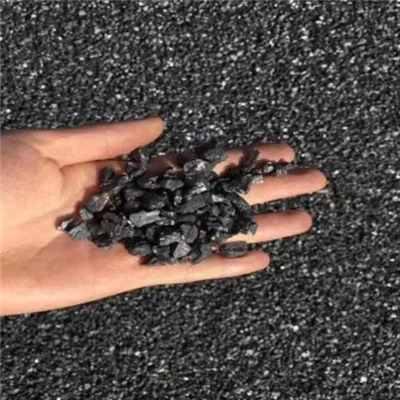
At the end of the day, graphite nipples might seem like a tiny, unimportant part, but they’re the backbone of your casting process. Pick the right grade, and you’ll save yourself headaches, money, and wasted material. Pick the wrong one, and you’ll be cleaning up molten metal way too often. Sound good? If you need help figuring out what you need, or want a quote for any grade, reach out—we’re here to make this simple.
Graphite Nipple References:
- “Graphite Grades and Applications for Industrial Components”, Carbon & Graphite Products Association, 2022.
- “Thermal Shock Resistance of Graphite Materials for Casting Applications”, Journal of Industrial Carbon & Graphite, Vol. 18, No. 2, 2021.
- “Foundry Gating Systems: Materials Selection and Performance”, International Foundry Research Institute, 2020.
Hebei Fengchao Import and Export Co., Ltd.
Hebei Fengchao Import and Export Co., Ltd. is one of the most professional graphite nipple manufacturers and suppliers in China. As we have world-leading production equipment and strong manufacturing capabilities, we warmly welcome you to wholesale bulk premium graphite nipple made in China here from our factory. Also, quotation is available.
Address: Yigao Intelligent Plaza, Building A, Congtai District, Handan City, Hebei Province, China
E-mail: China@fc-graphite.com
WebSite: https://www.fc-graphite.com/
